Understanding Oral Health: Causes, Habits, and Solutions
August 21, 2026 · 4 min read · By the Best Discounts Now editorial team
Oral health is vital for overall well-being and often reflects various underlying issues. Factors such as diet, hygiene, and lifestyle can significantly influence dental health. Understanding these causes and adopting good daily habits can pave the way to a healthier mouth.
What Causes Poor Oral Health?
Several factors contribute to oral health issues, with the most common being plaque buildup, poor dental hygiene, and dietary choices. Plaque is a sticky film of bacteria that can lead to cavities and gum disease if not effectively removed. Poor oral hygiene habits—like infrequent brushing and neglecting flossing—allow plaque to thrive. Additionally, diets high in sugar and acidity can erode tooth enamel and promote bacterial growth, further complicating oral health.
The Role of Diet
Your diet plays a crucial role in maintaining oral health. Consuming excessive sugar and processed foods can lead to cavities and gingivitis. Foods that are high in acid, like citrus fruits and sodas, can also wear down enamel, making teeth more susceptible to decay. Conversely, foods rich in calcium, phosphorus, and vitamins A, C, and D are beneficial. Cheese, leafy greens, nuts, and lean proteins can help strengthen teeth and support gum health.
Daily Habits for Better Oral Health
- Brushing Twice Daily: Brushing at least twice a day for two minutes each time is essential for plaque removal. Make sure to use a fluoride toothpaste to help strengthen enamel.
- Flossing Daily: Flossing helps remove food particles and plaque from places your toothbrush can't reach, preventing gum disease and cavities.
- Regular Dental Check-ups: Visiting your dentist every six months can help catch problems early and keep your mouth healthy. Professional cleanings can remove tartar buildup that brushing can’t.
- Avoid Tobacco: Smoking and using other tobacco products can lead to gum disease, tooth loss, and oral cancer. Stopping tobacco use significantly benefits your oral health.
- Stay Hydrated: Drinking water, especially fluoridated water, supports saliva production which helps neutralize acids and wash away food particles.
Understanding Common Oral Health Issues
Common issues like cavities, gum disease, and bad breath can often be managed with the right practices. Cavities are caused by tooth decay due to acid produced by bacteria. If left untreated, they can lead to pain and infection. Gum disease ranges from mild gingivitis to severe periodontitis, both of which can cause swollen gums and tooth loss if not addressed. Bad breath, or halitosis, can stem from poor hygiene, certain foods, or underlying health issues.
Dental Hygiene Products: What to Look For
When selecting dental care products, look for ones with the American Dental Association (ADA) Seal of Acceptance. This seal indicates that the product has been evaluated for safety and effectiveness. Common products include toothpaste, mouthwash, and dental floss. It may be beneficial to choose products containing fluoride, as it helps in remineralizing enamel and preventing decay.
When to Seek Professional Help
While good habits can significantly improve oral health, there are times when professional intervention is warranted. If you experience persistent pain, swelling, or bleeding gums, it’s essential to consult a dentist. Additionally, if your bad breath doesn't improve with proper hygiene, it could be a sign of an underlying issue that requires a professional's attention.
Oral Health Myths and Misconceptions
There are several myths surrounding oral health that can lead to confusion. One common misconception is that if your teeth look and feel fine, there’s no need for a dentist visit. In reality, issues can develop beneath the surface and become serious before symptoms appear. Another myth is that sugary foods are the only contributors to cavities; in fact, starchy foods can also lead to plaque production.
Alternative Products for Oral Health Support
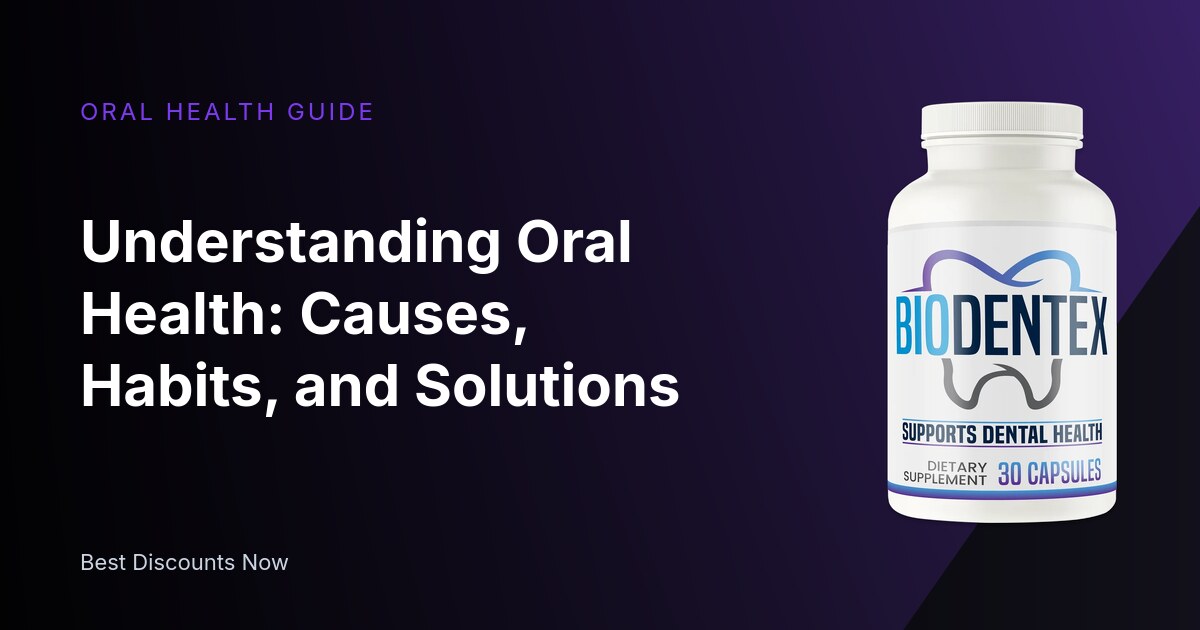
In addition to traditional dental care, some individuals look for supplements or natural products to support their oral health. While the effectiveness of these products can vary greatly, certain blends of natural ingredients claim to boost dental health. One such option is BioDentex, which offers a unique combination of over 11 ingredients formulated to support oral wellness. Always consult with your dentist before trying new products to ensure they are appropriate for your specific needs.
Frequently Asked Questions
How can I improve my oral hygiene?
Improving oral hygiene involves brushing twice daily, flossing at least once, and using mouthwash as recommended. Regular dental check-ups are also crucial.
What should I avoid for better oral health?
To maintain good oral health, avoid excessive sugar intake, tobacco products, and acidic drinks that can erode tooth enamel.
How often should I visit the dentist?
It's generally recommended to visit the dentist every six months for routine check-ups and cleanings.
What are some signs of dental problems?
Signs of dental problems include persistent bad breath, tooth sensitivity, swollen or bleeding gums, and tooth pain. Consult a dentist if you experience these symptoms.
Are there any dietary changes that improve oral health?
Yes, incorporating foods rich in calcium, phosphorus, and vitamins A, C, and D can enhance oral health. Limit sugary and acidic foods to protect your teeth.
Keep Reading
Understanding Sleep Health: Causes and Solutions for Better Sleep
August 28, 2026
Understanding Kidney Health: Causes and Daily Habits to Consider
August 28, 2026
Understanding Digestion Health: Causes and Solutions
August 28, 2026