Understanding Digestion Health: Causes and Solutions
August 28, 2026 · 3 min read · By the Best Discounts Now editorial team
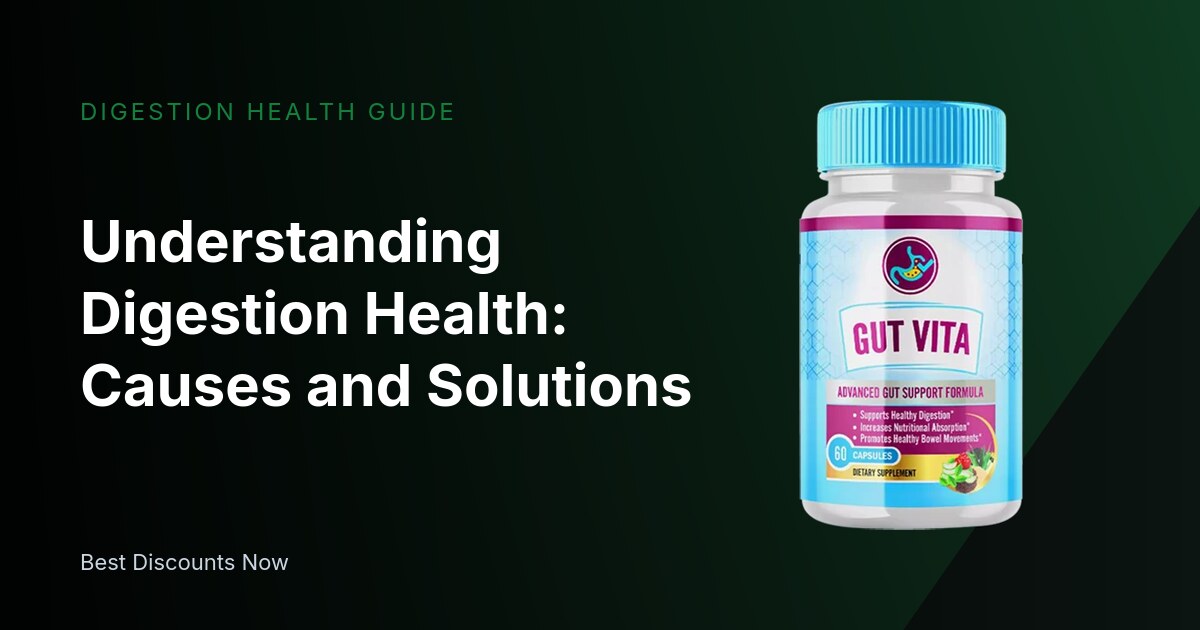
Digestion health is a critical aspect of overall well-being influenced by many factors. Issues with digestion can stem from dietary choices, lifestyle habits, and even stress levels, prompting the need for effective strategies to promote optimal digestion.
What Causes Digestive Issues?
Several factors can lead to digestive issues. These often include:
- Diet: High-fat, high-sugar, and processed foods can negatively affect digestion.
- Stress: Mental and emotional stress can impair the digestive process.
- Lack of Hydration: Inadequate water intake can lead to constipation and other digestive problems.
- Low Fiber Intake: A diet low in fiber may result in irregular bowel movements.
- Medical Conditions: Certain medical conditions, such as IBS or food intolerances, can exacerbate digestive distress.
Daily Habits That Impact Digestion
Improving digestion often involves adopting healthier daily habits. Here are some changes you can consider:
- Stay Hydrated: Drinking enough water helps maintain the digestive tract, making it easier for food to move. Aim for at least 8 cups of water daily, adjusting based on activity level.
- Eat a Balanced Diet: Incorporating fruits, vegetables, whole grains, and lean proteins promotes better digestion.
- Practice Mindful Eating: Eating slowly and chewing thoroughly can enhance digestion by allowing your stomach to signal fullness and manage food more effectively.
- Consistent Meal Schedule: Regular meal times can help regulate your digestive system.
- Exercise: Regular physical activity can enhance digestion by stimulating intestinal contractions and promoting overall well-being.
The Role of Fiber in Digestive Health
Fiber plays a significant role in aiding digestion. It adds bulk to stool, making it easier to pass, and supports the health of the gut microbiome. Two types of dietary fiber are essential:
- Soluble Fiber: Found in oats, fruits, and legumes, it helps manage cholesterol levels and stabilizes blood sugar.
- Insoluble Fiber: Found in whole grains and vegetables, it aids in preventing constipation by adding bulk to the stool.
Understanding the Gut-Brain Connection
The gut-brain connection is a fascinating area of study that explores how mental health impacts digestive health. Stress and anxiety can lead to symptoms like bloating and stomach cramps due to increased gastrointestinal activity. Implementing stress management techniques—such as meditation, deep breathing exercises, or yoga—may help alleviate digestive issues linked to mental health.
When to Consult a Professional
While many digestive issues can be managed through lifestyle changes, certain symptoms warrant professional medical advice. You should consider speaking to a healthcare provider if you experience:
- Severe or persistent abdominal pain
- Sudden changes in bowel habits
- Unexplained weight loss
- Difficulty swallowing or persistent heartburn
- Any symptoms that interfere significantly with daily life
These signs might indicate underlying health issues that require professional evaluation and treatment.
Natural Supplements for Digestion Support
Many people explore natural supplements to support digestion. Various options exist, but not all are equally effective for everyone. It's essential to choose quality products that align with evidence-based practices. For instance, many individuals turn to multi-step solutions for digestive health, such as Gut Vita™ review, which combines natural ingredients designed to support various aspects of gut health.
Conclusion: Finding What Works for You
Improving digestion health is often a personalized journey. While understanding the causes of digestive issues is valuable, daily habits play a crucial role in supporting digestive well-being. If dietary changes and lifestyle adjustments do not lead to improvements, seeking professional help can provide additional support and explain underlying concerns.
Frequently Asked Questions
How can I tell if I have a digestive issue?
Signs of digestive issues include bloating, gas, irregular bowel movements, or discomfort after eating. If symptoms persist, it is advisable to seek medical advice.
What are some quick tips to improve digestion?
Quick tips include drinking enough water, eating more fiber-rich foods, and practicing mindful eating. Consistency in these habits is key to improvement.
Is it normal to experience digestive issues?
Occasional digestive discomfort is common, often due to dietary choices or stress. If issues are frequent or severe, a consultation with a healthcare professional is recommended.
Can stress affect my digestion?
Yes, stress can significantly impact digestion, leading to symptoms like stomach cramps or changes in bowel habits. Practice stress-reduction techniques to help alleviate symptoms.
When should I take supplements for digestive health?
Supplements may help if you struggle to meet your nutritional needs through diet alone. However, consult with a healthcare provider before adding new supplements.
Keep Reading
Understanding Sleep Health: Causes and Solutions for Better Sleep
August 28, 2026
Understanding Kidney Health: Causes and Daily Habits to Consider
August 28, 2026
Understanding Balance Health and Its Impact on Wellness
August 28, 2026