Understanding Collectibles: What Drives Their Value and Appeal
August 21, 2026 · 4 min read · By the Best Discounts Now editorial team
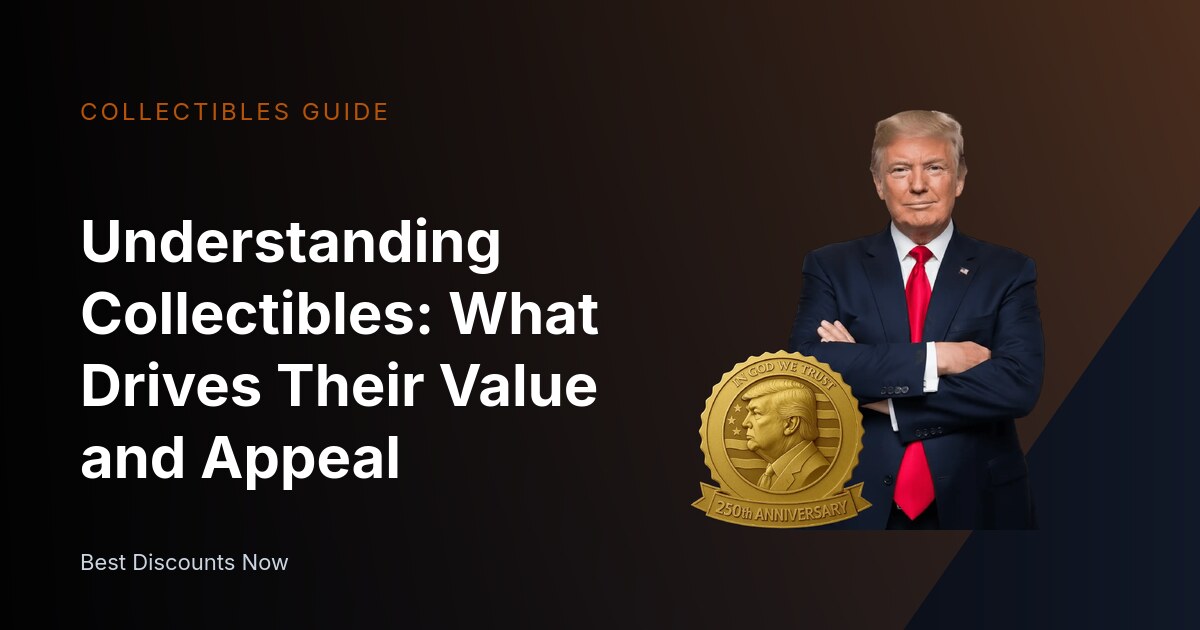
Collectibles are items valued for their rarity, aesthetic appeal, or historical significance. Their value is often shaped by demand, condition, and the stories behind them. Understanding these factors can enhance your collecting experience and investment.
The Essence of Collectibles
At their core, collectibles can range from antiques and sports memorabilia to coins and comic books. They often evoke nostalgia and a sense of connection to specific moments in time. This emotional bond can significantly enhance their value, as collectors are often willing to pay a premium for items that resonate with them personally.
What Causes Value Fluctuations?
The market for collectibles is inherently volatile and influenced by several key factors:
- Rarity: Items that are limited in quantity or were produced in a short time frame tend to hold higher value. The scarcity creates a sense of urgency among collectors.
- Condition: The state of the collectible directly impacts its worth. Items that are in pristine condition usually command better prices than those showing wear and tear.
- Historical Significance: Collectibles with a rich backstory or association with significant events or figures often attract higher interest.
- Market Trends: Public interest can shift due to cultural phenomena, such as a movie release or anniversary of an event, leading to fluctuations in demand.
The Daily Habits of Successful Collectors
Developing certain daily habits can help improve your collecting skills and enhance your engagement with the community:
- Stay Informed: Regularly reading news articles, joining collector forums, and attending trade shows can keep you updated on market trends and valuation shifts.
- Networking: Building relationships with other collectors, dealers, and professionals provides insight and access to unique items and opportunities.
- Documenting Your Collection: Keeping a detailed inventory that includes purchase prices, provenance, and any certifications can help when assessing value or considering selling in the future.
- Participating in Auctions: Engaging in online or live auctions can expose you to new items and refine your bidding strategies.
What Does Evidence Say About Collecting?
The evidence related to collectibles often highlights trends seen in various niches. For example, market research shows that certain fandoms or interest groups significantly impact demand. Furthermore, various studies in psychology suggest that emotional connections to items can drive value beyond simple economic logic.
When to Evaluate Professional Help
While many collectors thrive on their own knowledge and instincts, there are instances where consulting a professional is wise:
- Authenticity Verification: If an item’s authenticity is questioned, a professional appraisal can provide peace of mind and potentially preserve or boost its value.
- Valuation for Insurance: Having collectibles insured is important, especially if they hold significant value. A certified appraiser can provide an official valuation.
- Selling Expertise: If you decide to sell, professionals can guide you on the best platforms and methods to maximize your returns.
Finding Focus in Collectibles
Choosing a focus area within the collectibles market can significantly enhance your enjoyment and investment potential. Whether you’re drawn to vintage toys, sports memorabilia, or limited edition art, having a clear focus helps refine your purchasing strategy and builds a cohesive collection.
Enthusiasts often find themselves more invested in their collections when they align with personal interests or passions. The unique characteristics of the item can tell a story that resonates deeply, creating a satisfaction that transcends mere monetary value.
Understanding Market Cycles
The collectible market is not static; it experiences cycles of growth, stagnation, and decline. Recognizing these patterns can be crucial:
- Seasonal Trends: Certain collectibles may see heightened interest during specific seasons or events, such as Comic Con for comic books or the Super Bowl for sports memorabilia.
- Generational Shifts: Collectibility can be influenced by generational trends, as younger collectors often seek different items than their predecessors.
- Economic Factors: Broader economic conditions, such as recessions or booms, can impact disposable income available for collectibles.
As you explore the world of collectibles, you might encounter unique items like The Patriots Legacy, which honors specific aspects of American history and could be a valuable addition to your collection. This type of limited edition collectible provides an opportunity to celebrate significant cultural moments while contributing to your overall collection.
Staying True to Your Passion
Ultimately, successful collecting should align with your interests and passions. When you collect what you genuinely love, you not only enhance the joy it brings but also ameliorate the risks associated with fluctuating values. This personal connection adds richness to the collecting experience, making it rewarding beyond mere financial gain.
Frequently Asked Questions
What types of items are considered collectibles?
Collectibles include antiques, sports memorabilia, coins, and comic books, valued for rarity and historical significance.
How can I determine the value of my collectibles?
Value can be assessed based on rarity, condition, market demand, and historical significance, often calling for professional appraisals.
What are some signs that I should consult a professional?
You should consider professional assistance for authenticity verification, insurance valuations, or when planning to sell high-value items.
How can I improve my collecting skills?
Stay informed through community engagement, document your items, and participate in auctions to refine your collecting strategies.
Why is emotional connection important in collectibles?
Emotional connections can elevate a collectible's value, making it more meaningful and rewarding beyond financial aspects.
Keep Reading
Understanding Sleep Health: Causes and Solutions for Better Sleep
August 28, 2026
Understanding Kidney Health: Causes and Daily Habits to Consider
August 28, 2026
Understanding Digestion Health: Causes and Solutions
August 28, 2026