Understanding Vehicle History Reports: What You Need to Know
August 28, 2026 · 4 min read · By the Best Discounts Now editorial team
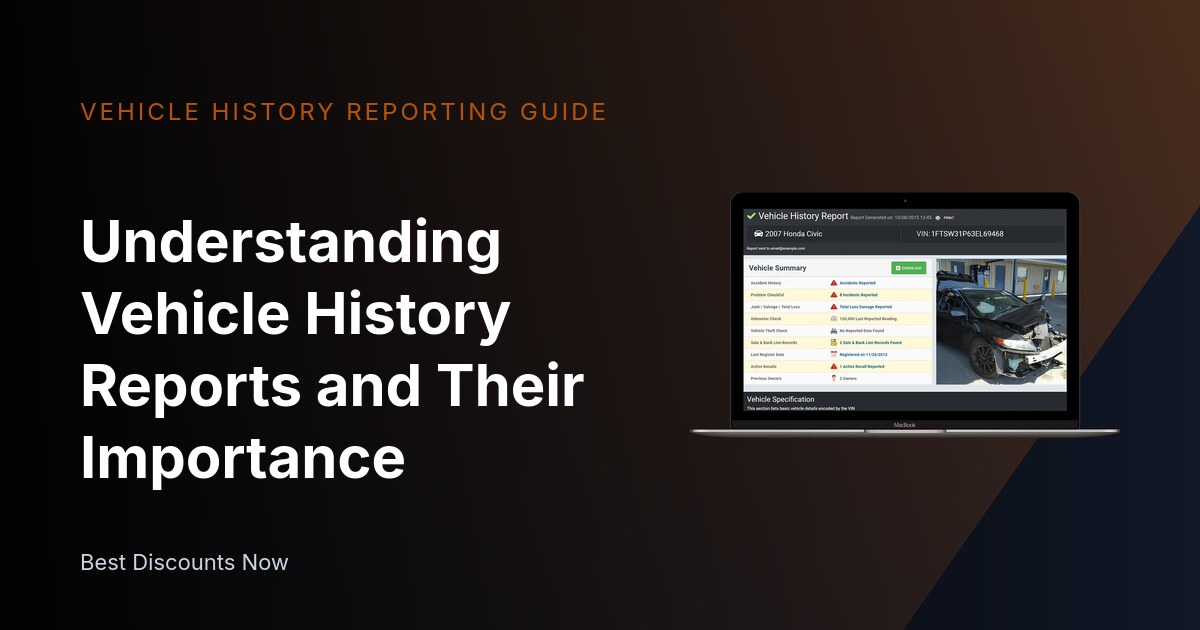
Vehicle history reports serve as a crucial tool for potential car buyers looking to make informed purchasing decisions. These reports provide vital insights into a vehicle’s past, including accidents, title changes, and service history, which can help mitigate the risks associated with buying a used car.
What Causes the Need for Vehicle History Reports?
The need for vehicle history reports stems from the complexities involved in purchasing used vehicles. Many cars change hands multiple times, and their histories can involve accidents, salvage titles, or significantly neglected maintenance. Without a thorough report, a buyer may unknowingly purchase a car that has hidden flaws or a troubled past.
Daily Habits Affecting Vehicle Buying Decisions
When considering the purchase of a used vehicle, certain daily habits can influence whether or not a potential buyer thoroughly investigates a car’s history. These include:
- Researching: Regularly conducting research on various vehicles and understanding their market value can prepare buyers to ask the right questions and demand a history report.
- Awareness of Common Issues: Staying informed about common problems associated with specific models can prompt buyers to be more vigilant about getting vehicle history reports before making a purchase.
- Consulting With Experts: Engaging with mechanic friends or family can foster discussions about the importance of vehicle history and highlight red flags in prospective purchases.
Factors that Can Make Vehicle Buying Risky
Several factors contribute to uncertainties when buying used vehicles. These can include:
- Accidents: A vehicle that has been involved in an accident may have undisclosed damage, which can greatly affect its performance and resale value.
- Title Issues: A car with a salvaged, rebuilt, or flood title can indicate a history of severe damage that may not be readily apparent to an untrained eye.
- Service History: Lack of documented maintenance can signal that a vehicle has not been well cared for, potentially leading to costly repairs in the future.
Understanding the Evidence
Broadly speaking, vehicle history reports are based on data gathered from various sources such as insurance companies, auto auctions, and law enforcement. While they are highly valuable, the completeness and accuracy of these reports can sometimes vary. It is essential to understand that while they provide a great deal of information, they do not include every detail about a vehicle's history. As such, they should complement other investigative efforts, such as mechanic evaluations.
Identifying the Right Time to Seek Professional Help
There are situations where it is prudent for a buyer to seek professional help instead of relying solely on vehicle history reports. For instance:
- Complex Mechanical Issues: If a buyer suspects mechanical problems, it is best to enlist a qualified mechanic to inspect the vehicle thoroughly.
- Inconsistencies in the Report: If a report raises further questions or seems inconsistent with what the seller claims, a professional inspection can clarify these discrepancies.
- Legal Concerns: If there are legal questions regarding the car’s title or ownership, legal advice may be necessary to navigate the complexities involved.
Utilizing Vehicle History Reports Effectively
To maximize the benefits of vehicle history reports, consider the following strategies:
- Review Multiple Reports: Don’t settle for just one source. Different services may capture varied data, so pooling resources can give a fuller picture of a car's history.
- Understand the Terminology: Familiarize yourself with terms like “salvage title,” “bright and alignment issues,” and “lemon law” to make sense of the report's content.
- Ask Questions: If something appears troubling in the report, don’t hesitate to ask the seller for clarification and context.
As you navigate the vehicle purchasing process, having access to comprehensive vehicle history reports can significantly aid in making informed decisions. For a reliable platform that provides detailed vehicle history reports, consider looking into VinCheckup review.
Frequently Asked Questions
What is the primary purpose of a vehicle history report?
A vehicle history report provides critical information about a car’s past, helping buyers make informed decisions about their purchases.
How can I ensure I receive accurate information in a vehicle history report?
To obtain accurate information, consider using multiple reporting services and cross-checking details with the seller to verify consistency.
When should I involve a professional during the car buying process?
It's advisable to seek professional help if you suspect mechanical issues, if there are discrepancies in the vehicle history report, or if legal concerns arise regarding the vehicle.
What should I do if I discover troubling information in a vehicle history report?
If you find alarming information, it's important to ask the seller for explanations and possibly seek a professional inspection to further assess the vehicle.
Keep Reading
How to Choose Effective Kidney Health Products Wisely
August 28, 2026
Blood Sugar Support: A Buyer’s Guide to Finding Quality
August 28, 2026
How to Choose the Right Digestive Health Supplement
August 28, 2026