Understanding Water Harvesting: Causes, Benefits, and Solutions
August 28, 2026 · 3 min read · By the Best Discounts Now editorial team
Water harvesting is a method for collecting and storing rain or runoff water for various uses, effectively addressing the challenge of water scarcity. It is essential to understand what causes the need for such systems, the daily habits that can affect water availability and quality, and when professional assistance may be necessary.
What Causes the Need for Water Harvesting?
The primary cause of the need for water harvesting stems from a combination of factors such as climate change, population growth, and increasing urbanization. Many regions experience fluctuating weather patterns, including prolonged droughts that reduce the availability of fresh water sources. In addition, the rising demand for water in urban areas often outpaces supply, making water harvesting an appealing solution.
Daily Habits That Affect Water Availability
Your daily habits can significantly influence both the demand for and availability of fresh water. Here are a few practices that can make a difference:
- Conserving Water: Simple actions, like turning off the tap while brushing your teeth or fixing leaks, can conserve precious water resources.
- Collecting Rainwater: Setting up rain barrels or storage tanks can provide fresh water for irrigation or other non-potable uses.
- Using Native Plants: Landscaping with drought-resistant plants can lower the need for irrigation, preserving water supply.
- Understanding Your Water Usage: Regularly checking your water bill can help you identify patterns and areas for improvement.
The Benefits of Water Harvesting
Water harvesting offers numerous benefits beyond simply securing water sources:
- Resource Efficiency: By capturing rainwater, you can make better use of a natural resource and reduce dependency on municipal supplies.
- Cost Savings: Although there might be an initial investment, over time, utilizing rainwater can lead to lower water bills.
- Environmental Impact: Water harvesting can reduce runoff, which in turn lowers the risk of erosion and pollution in local water bodies.
Broadly Accepted Practices and Evidence
While practices like water conservation and harvesting are widely supported, the effectiveness of methods can vary. Most people accept that using rainwater for irrigation and non-potable uses, like toilet flushing, is beneficial. However, using rainwater for drinking purposes requires strict adherence to health and safety guidelines. Since there’s no one-size-fits-all solution, many regions have their own regulations governing the collection and use of rainwater.
When to Consult a Professional
While DIY water harvesting can be beneficial, there are circumstances where seeing a professional is crucial:
- Quality Concerns: If you notice changes in your water quality, such as unusual odors or discoloration, it's wise to consult an expert.
- Complex Systems: If you plan to install a larger-scale water harvesting system that integrates with your home’s plumbing, professional installation is recommended.
- Legal and Permitting Issues: Always check local regulations on water harvesting; professionals can guide you through compliance requirements to avoid fines.
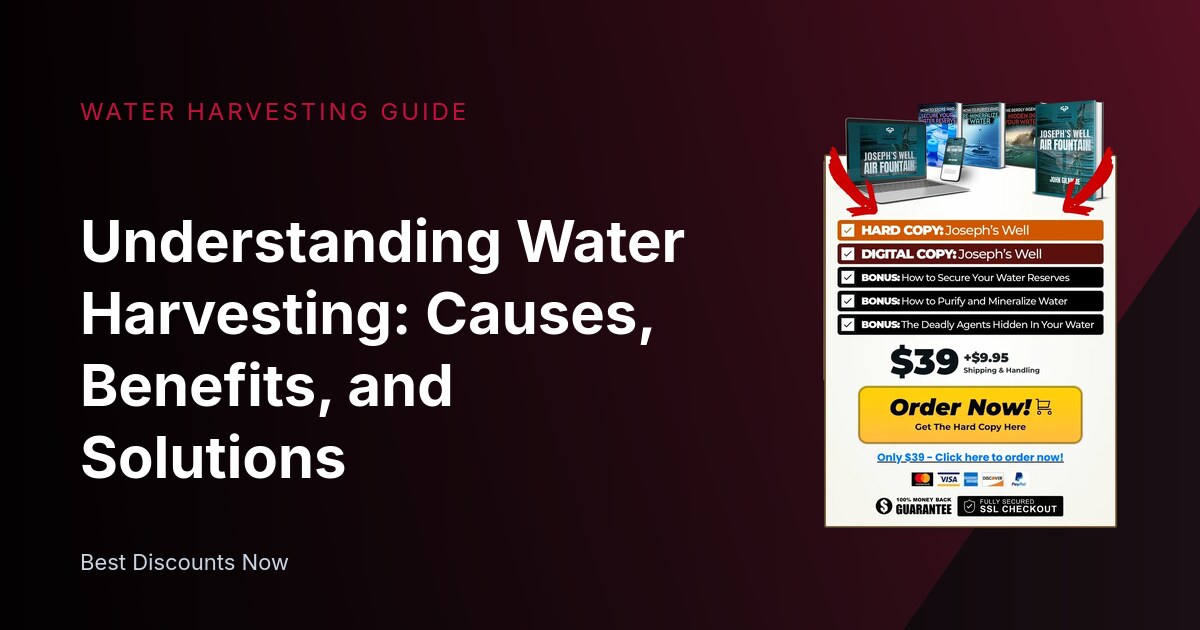
Making informed decisions regarding water harvesting can lead to significant long-term benefits. If you're interested in practical solutions, you may want to consider Joseph's Well review, which provides options for securing fresh water efficiently.
Frequently Asked Questions
What is water harvesting?
Water harvesting is the collection and storage of rain or runoff water for various uses, primarily to tackle water scarcity.
How can daily habits impact water availability?
Daily habits, such as fixing leaks and efficient landscaping, can significantly reduce water waste and improve overall water availability.
What are some common benefits of water harvesting?
Water harvesting promotes resource efficiency, leads to potential cost savings, and positively impacts the environment by reducing runoff.
When should someone seek professional help regarding water?
Professional help should be sought if there are quality concerns, complex system requirements, or legal issues involving water harvesting.
Can rainwater be used for drinking?
While rainwater can be collected for drinking, it must be treated and stored according to local health guidelines to ensure safety.
Keep Reading
How to Choose Effective Kidney Health Products Wisely
August 28, 2026
Blood Sugar Support: A Buyer’s Guide to Finding Quality
August 28, 2026
How to Choose the Right Digestive Health Supplement
August 28, 2026