Understanding Vision Health: Causes and Daily Habits
August 21, 2026 · 3 min read · By the Best Discounts Now editorial team
Vision health encompasses various aspects, including the clarity of eyesight, the ability to focus, and the overall wellness of your eyes. Understanding the root causes of vision issues can pave the way for habits that support good eye health. In this guide, we’ll explore what affects your vision, daily practices that help or hinder your eyesight, as well as important considerations for seeking professional help.
Common Causes of Vision Issues
Several factors can contribute to vision problems, with lifestyle choices, environmental conditions, and genetics playing significant roles.
- Aging: As we age, the lenses in our eyes become less flexible, leading to issues like presbyopia (difficulty focusing on close objects).
- Digital Eye Strain: Prolonged use of screens can lead to symptoms like dryness, blurred vision, and headaches, collectively referred to as digital eye strain.
- Health Conditions: Conditions such as diabetes and hypertension can negatively impact vision. It’s critical to manage these underlying issues to protect eye health.
- Environmental Factors: Exposure to UV rays, pollutants, and even prolonged artificial lighting can contribute to eye strain and damage over time.
- Diet: Nutritional deficits can lead to poor eye health. A lack of essential vitamins and minerals may affect vision quality.
Daily Habits That Influence Vision
Adopting lifestyle habits that foster eye health can make a significant difference. Here are practical tips to consider:
- 20-20-20 Rule: To reduce the risk of digital eye strain, follow the 20-20-20 rule. Every 20 minutes, take a break and look at something 20 feet away for at least 20 seconds.
- Proper Lighting: Ensure your workspace is well-lit to minimize glare and strain when reading or using screens.
- Balanced Diet: Include foods rich in antioxidants, vitamins C and E, omega-3 fatty acids, and zinc. Leafy greens, fish, nuts, and citrus fruits can all contribute positively to eye health.
- Stay Hydrated: Drinking enough water is crucial for maintaining the moisture level in your eyes and reducing discomfort.
- Regular Eye Breaks: Make it a habit to take short breaks during tasks that require intense focus, allowing your eyes to rest and recover.
The Role of Supplements in Vision Health
While maintaining a healthy lifestyle is vital, some individuals consider supplements to support their eye health. These can include nutrients like lutein and zeaxanthin, which are thought to promote macular health. It’s essential to approach supplements cautiously. Consulting with a healthcare provider can help determine whether a supplement is suitable for your needs.
When to Consult a Professional
It’s important to recognize when home remedies and lifestyle changes may not be enough. Consider seeking professional help if you experience:
- Sudden Vision Changes: If you notice sudden changes in vision, such as blurriness or lost vision, seek immediate medical attention.
- Persistent Discomfort: Ongoing eye discomfort, dryness, or excessive tearing should be evaluated by a professional.
- Family History: If there’s a family history of eye conditions like glaucoma or macular degeneration, a proactive approach with regular eye exams is beneficial.
- Adverse Effects from Medication: Some medications can have side effects that impact vision. Discuss any concerns with your healthcare provider.
Maintaining Consistent Eye Care
Incorporating routine eye care into your life can be transformative. Regular dilation exams and eye check-ups can help catch problems early and allow for timely intervention. Additionally, protecting your eyes from UV exposure by wearing sunglasses and blue light-blocking glasses can be beneficial.
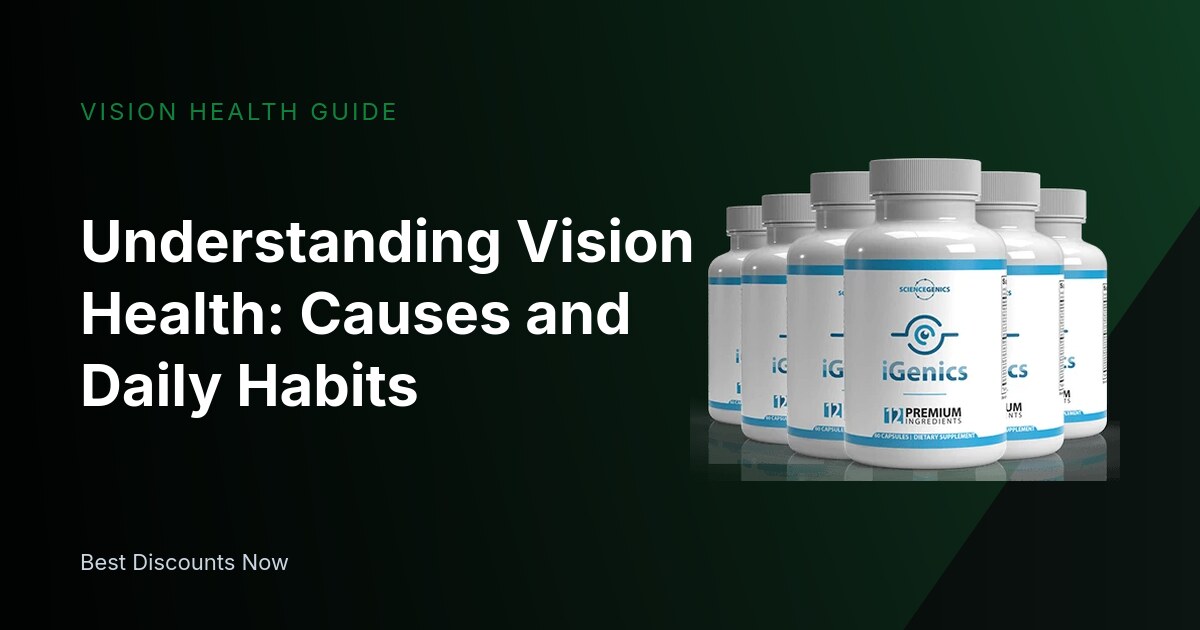
For those exploring products designed to support eye health, Igenics review suggests that it utilizes clinically backed ingredients that may foster support for clearer eyesight. However, be mindful that supplements vary in effectiveness from person to person.
Frequently Asked Questions
What are the signs of vision problems?
Signs of vision problems include blurred vision, difficulty focusing, and eye strain, among others.
How can nutrition impact eye health?
Nutrition plays a crucial role, as certain vitamins and minerals are essential for maintaining healthy eyesight.
What lifestyle changes can help protect my vision?
Implementing practices like the 20-20-20 rule and a balanced diet can help protect and improve vision.
When should I seek professional help for my vision?
Seek professional help if you experience sudden changes in vision, persistent discomfort, or have a family history of eye conditions.
Keep Reading
How to Choose Effective Kidney Health Products Wisely
August 28, 2026
Blood Sugar Support: A Buyer’s Guide to Finding Quality
August 28, 2026
How to Choose the Right Digestive Health Supplement
August 28, 2026