Understanding Vision Health: Causes and Daily Habits
August 21, 2026 · 3 min read · By the Best Discounts Now editorial team
Vision issues can stem from a variety of factors including genetics, age, and lifestyle habits. Understanding these causes can empower individuals to take actionable steps toward better eye health.
Common Causes of Vision Decline
Many aspects contribute to declining vision, some of which are beyond our control, while others can be managed through lifestyle choices. The leading causes include:
- Age-related changes: As we age, our eyes undergo natural changes such as a decrease in lens elasticity and a reduction in tear production.
- Genetic predisposition: Conditions like macular degeneration and glaucoma can run in families, increasing individuals’ risks.
- Environmental factors: Prolonged exposure to harmful UV light and pollutants can contribute to vision problems.
- Medical conditions: Diabetes and hypertension are known to affect eye health significantly.
- Behavioral habits: Poor diet, lack of exercise, smoking, and excessive screen time are important lifestyle factors that can exacerbate vision decline.
Everyday Habits to Support Eye Health
While some risk factors are unavoidable, many daily habits can help protect and improve eye health.
- Healthy Diet: Consuming a diet rich in vitamins and minerals, particularly antioxidants like vitamin C, vitamin E, and omega-3 fatty acids can be beneficial. Incorporate green leafy vegetables, carrots, and fatty fish into meals.
- Regular Exercise: Physical activity improves circulation, which can enhance eye health and reduce the risk of chronic conditions that affect vision.
- Screen Time Management: Limiting screen time and following the 20-20-20 rule—every 20 minutes, look at something 20 feet away for 20 seconds—can help reduce digital eye strain.
- Protective Eyewear: Wearing sunglasses that block UV rays can prevent damage from sunlight, while appropriate eyewear during tasks can reduce injury risks.
- Proper Lighting: Ensure that your work and reading areas are adequately lit to reduce eye strain and fatigue.
The Role of Nutrition in Vision Health
Nutrition plays a vital role in maintaining visual acuity. Studies have shown that specific nutrients can help stave off common age-related eye conditions:
- Vitamin A: Essential for good night vision; it helps maintain a clear cornea.
- Lutein and Zeaxanthin: Found in high concentrations in green leafy vegetables, these antioxidants are known to help filter harmful light waves.
- Zinc: A mineral that’s been shown to support retinal health and may reduce the risk of macular degeneration.
When to Consult a Professional
Understanding when to see a professional is crucial for eye health. Here are some signs that warrant immediate attention:
- Sudden changes in vision: If you experience a sudden decrease in vision, blurred vision, or flashes of light, seek professional help immediately.
- Pain or discomfort: Persistent eye pain, redness, or swelling can indicate a more serious issue that requires medical evaluation.
- Difficulty seeing at night: Increasing trouble with night vision can be an early sign of cataracts or other conditions.
It’s important to have regular eye exams, even if you don’t have any noticeable problem. Early detection of issues can lead to more effective management strategies.
Supplements as a Complementary Approach
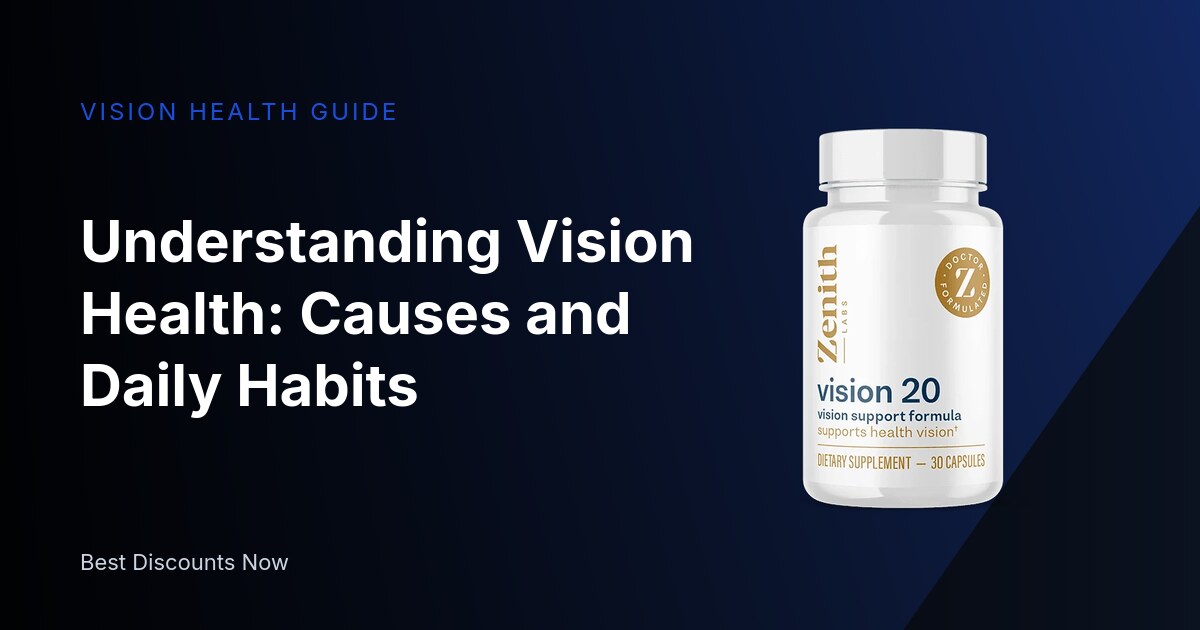
While a healthy lifestyle is foundational, some individuals explore supplements to support vision health alongside these strategies. Certain supplements are formulated to provide nutrients that may not be adequately consumed through diet alone. For example, Vision 20 review discusses a product that includes a comprehensive blend of natural ingredients designed to support eyesight.
Keep Reading
How to Choose Effective Kidney Health Products Wisely
August 28, 2026
Blood Sugar Support: A Buyer’s Guide to Finding Quality
August 28, 2026
How to Choose the Right Digestive Health Supplement
August 28, 2026