Understanding Vision Health: Causes, Habits, and Solutions
August 20, 2026 · 4 min read · By the Best Discounts Now editorial team
Maintaining good vision health involves understanding various factors that influence eye function. Key contributing factors include genetics, lifestyle choices, and environmental influences. This guide delves into the underlying causes of vision issues and offers practical advice on daily habits to support your eye health.
The Causes of Vision Issues
Several factors can lead to vision problems, ranging from genetics to environmental stressors. Common causes include:
- Genetics: Family history can play a significant role in your likelihood of developing certain eye conditions.
- Age: As we grow older, our vision may change, with conditions like presbyopia becoming more common.
- Lifestyle: Habits such as poor diet, lack of exercise, and excessive screen time can negatively impact eye health.
- Health Conditions: Conditions like diabetes and hypertension can affect vision and overall eye health.
- Environmental Factors: Exposure to UV light, pollution, and allergens can contribute to eye problems.
Daily Habits That Improve Eye Health
Implementing specific daily habits can significantly enhance your vision health. Here are some practical tips:
- Balanced Diet: Consuming a diet rich in vitamins A, C, E, and omega-3 fatty acids is vital for eye health. Foods such as leafy greens, carrots, and fish can boost your vision.
- Regular Breaks: Follow the 20-20-20 rule to reduce digital eye strain: every 20 minutes, look at something 20 feet away for at least 20 seconds.
- Proper Lighting: Ensure adequate lighting when reading or using computers to minimize eye strain.
- Hydration: Staying hydrated keeps your eyes moist and can prevent dryness and irritation.
- Proper Eye Protection: Wearing sunglasses to protect against UV rays and using safety glasses in hazardous environments are crucial.
When Bad Habits Worsen Vision Health
In addition to adopting beneficial practices, it is vital to recognize habits that can harm your vision. Poor habits to avoid include:
- Overusing Digital Devices: Excessive screen time can lead to digital eye strain, characterized by dryness, irritation, and blurred vision.
- Smoking: Tobacco use is linked to a higher risk of developing age-related macular degeneration and cataracts.
- Neglecting Eye Exams: Skipping regular eye check-ups can result in undiagnosed issues that worsen over time.
- Poor Sleep: Insufficient rest can affect the eyes' ability to recuperate, leading to problems like dry eyes and fatigue.
Evidence Supporting Eye Care Practices
While many recommendations for improving vision health are based on common sense, some are grounded in scientific evidence. Research supports the notion that:
- A balanced diet enriched with specific nutrients can aid in maintaining eye health.
- Regular breaks from screens can alleviate symptoms of digital eye strain and promote comfort.
- Routine eye exams can catch potential issues early, when they are often more manageable.
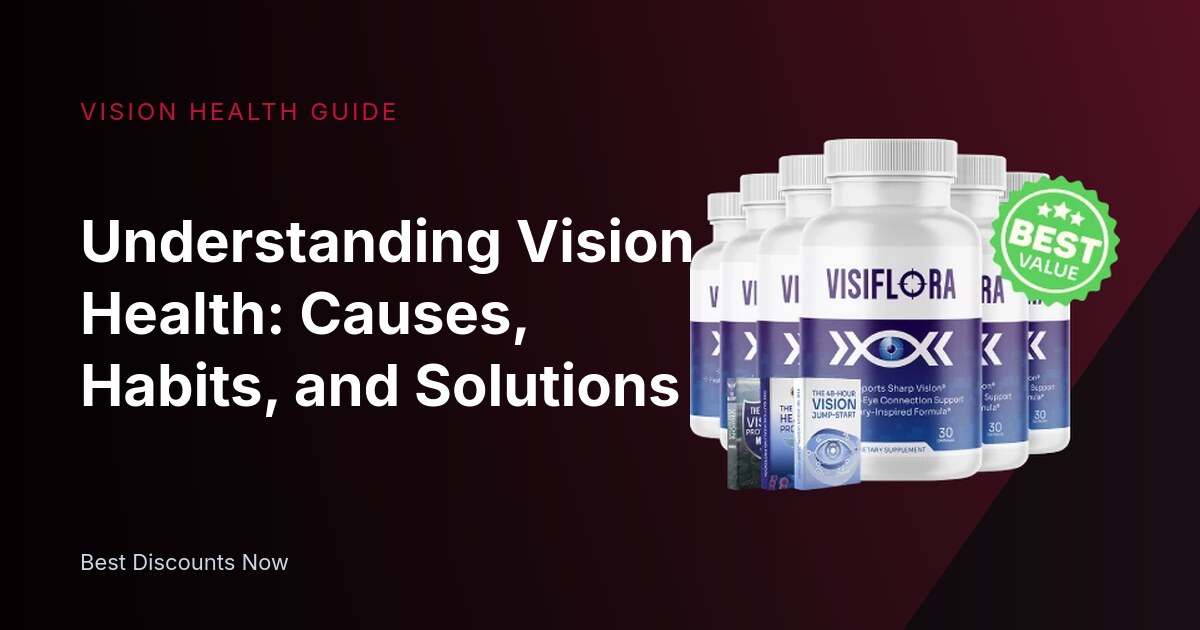
Researchers continue to study the link between gut health and overall health, including eye health. Some believe that a healthy gut can influence not only physical wellness but also vision. As a part of this approach, you may consider products like VisiFlora, which support vision health through a unique gut-eye system.
When to Seek Professional Help
It's essential to know when to consult a healthcare professional. Signs that warrant a visit to an eye specialist include:
- Sudden Vision Changes: Experiencing sudden blurry or lost vision can indicate a serious issue.
- Chronic Eye Strain: If you often experience discomfort, it could be time for a thorough examination.
- Flashes or Floaters: New flashes of light or a sudden increase in floaters may require immediate medical evaluation.
- Difficulty with Daily Activities: If vision problems interfere with regular tasks like reading or driving, seeking help is crucial.
Maintaining Long-Term Eye Health
Long-term vision health requires ongoing attention and a proactive approach. To maintain optimal eye health over a lifetime, consider the following practices:
- Stay Informed: Keep up with the latest research and recommendations on eye health.
- Develop Healthy Routines: Make Eye health a priority through consistent and sustainable habits.
- Stay Engaged: Participate in activities that promote eye health, such as community eye health initiatives.
- Regularly Assess Your Eye Needs: As your life changes, your eye care needs may shift—stay adaptable.
By understanding the causes of vision problems, embracing beneficial habits, and knowing when to see a professional, you can take proactive steps toward safeguarding your vision health. Remember, addressing potential gut health may also support your eyes, an intriguing area further explored through supplements like VisiFlora review.
Frequently Asked Questions
What can I do to improve my vision health?
Improving your vision health involves a balanced diet, regular eye exams, and minimizing screen time. Additionally, protecting your eyes from UV light and ensuring proper hydration can help.
How often should I have my eyes checked?
It's generally recommended to have a comprehensive eye exam every one to two years, but consult with your optometrist for personalized advice based on your age and eye health.
What are some common signs of eye strain?
Common signs of eye strain include blurred vision, headaches, dry eyes, and difficulty focusing. Taking regular breaks from screens and adjusting lighting can help alleviate discomfort.
When should I consult an eye care professional?
You should consult an eye care professional if you experience sudden vision changes, chronic discomfort, or any signs of serious issues such as flashes of light.
Can my diet really affect my vision?
Yes, a healthy diet rich in antioxidants, vitamins, and omega-3 fatty acids is linked to better vision health and can help prevent age-related eye conditions.
Keep Reading
How to Choose Effective Kidney Health Products Wisely
August 28, 2026
Blood Sugar Support: A Buyer’s Guide to Finding Quality
August 28, 2026
How to Choose the Right Digestive Health Supplement
August 28, 2026