Understanding Sleep Health: Causes and Habits for Better Rest
August 28, 2026 · 4 min read · By the Best Discounts Now editorial team
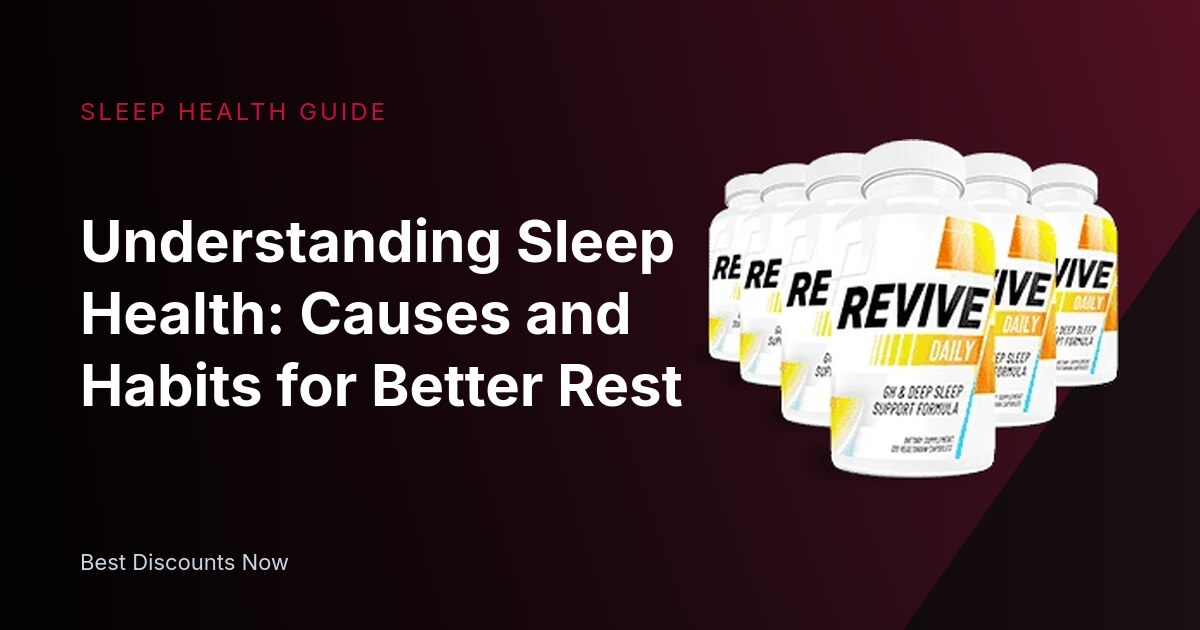
Sleep health is critical for overall well-being, but many people struggle with getting enough restful sleep. Various factors contribute to sleep disturbances, including lifestyle choices and underlying health issues, making it essential to understand these before exploring solutions.
Common Causes of Sleep Issues
To tackle sleep problems effectively, it's crucial to identify their root causes. Several primary factors often lead to disrupted sleep patterns:
- Stress and Anxiety: Psychological factors significantly impact sleep quality. Daily stressors or anxiety disorders can make it difficult to relax and fall asleep.
- Poor Sleep Hygiene: Irregular sleeping schedules, exposure to screens before bed, and consuming caffeine or heavy meals late in the day can hinder the body's natural sleep-wake cycles.
- Medical Conditions: Some health issues, such as insomnia, sleep apnea, or chronic pain, can interfere with sleep. Conditions like depression and hormonal imbalances also play a role.
- Age: As people age, they may experience changes in sleep patterns, including lighter sleep and difficulty falling asleep.
Daily Habits That Influence Sleep
Certain habits can either improve or worsen sleep quality. Here are some practice guidelines you can adopt:
- Establish a Sleep Schedule: Going to bed and waking up at the same time every day helps regulate your body's internal clock, facilitating better sleep.
- Create a Restful Environment: A comfortable bedroom environment, free from light and noise, can significantly enhance your ability to fall asleep and stay asleep.
- Limit Screen Time: Reducing exposure to screens in the hour leading up to bedtime can help your brain wind down, particularly avoiding blue light that disrupts melatonin production.
- Mind Relaxation Techniques: Engaging in relaxation techniques like deep breathing, yoga, or meditation can help alleviate stress and promote better sleep.
- Be Mindful of Diet: Consuming a balanced diet with regular meal times while avoiding stimulants can support healthy sleep. Avoid heavy meals close to bedtime.
What the Evidence Suggests
While individual sleep needs can vary, some trends emerge from studies on sleep health. Quality sleep appears linked to improved mood, cognitive function, and overall health. Regularly getting enough sleep helps maintain immune function and can lead to lower risks of chronic conditions. Understanding that sleep is not a one-size-fits-all solution is essential. While some may thrive on less sleep, most adults need between seven to nine hours of quality rest per night.
Furthermore, experts generally recommend keeping a sleep diary to track patterns, noting factors like sleep quality, time taken to fall asleep, and any disruptions. Doing so can help identify trends and potential triggers for sleep disturbances.
When to Seek Professional Help
If sleep problems persist despite implementing positive changes, it may be time to consult a healthcare provider. Maintaining chronic sleep issues can impact mental and physical health, so getting professional advice is crucial if you experience any of the following:
- Consistent Trouble Falling or Staying Asleep: If your inability to fall asleep lasts for weeks or months, it may be time to investigate underlying causes.
- Excessive Daytime Sleepiness: If you find yourself exceedingly fatigued during the day, it can be an indicator of a sleep disorder.
- Changes in Sleep Patterns: Significant shifts in your sleep routine that affect your functioning and productivity could require professional evaluation.
- Snoring or Breathing Difficulties: Such symptoms might indicate conditions like sleep apnea and warrant a medical evaluation.
Enhancing Sleep with Natural Aids
While lifestyle changes can provide substantial benefits, many seek additional support through natural supplements. Some evidence points toward the effectiveness of certain natural ingredients that can promote relaxation and improve sleep quality. Common options might include melatonin, valerian root, or other herbal remedies. It's vital to approach these supplements with caution and ideally under the guidance of a healthcare professional.
As highlighted through reviews of various products, Revive Daily is one potential option that claims to enhance sleep quality and hormone production, allowing users to feel more rested. However, always ensure to research thoroughly and consider the guidance of your healthcare provider before choosing a sleep aid.
Frequently Asked Questions
How can I improve my sleep quality naturally?
You can enhance your sleep quality by maintaining a consistent sleep schedule, optimizing your sleep environment, and minimizing stress.
What factors can disrupt my sleep?
Common disruptors of sleep include stress, poor sleep hygiene, medical conditions, and lifestyle choices such as caffeine consumption.
When should I see a doctor about sleep issues?
You should consult a healthcare professional if you experience persistent sleep problems, excessive daytime sleepiness, or significant changes in your sleep patterns.
Are sleep supplements effective?
Some natural sleep supplements may help, but their effectiveness can vary. It's best to consult with a healthcare provider before starting any new supplement.
How much sleep do adults typically need?
Most adults require between seven to nine hours of quality sleep per night for optimal health and functioning.
Keep Reading
How to Choose Effective Kidney Health Products Wisely
August 28, 2026
Blood Sugar Support: A Buyer’s Guide to Finding Quality
August 28, 2026
How to Choose the Right Digestive Health Supplement
August 28, 2026