Understanding Sleep Health: Causes, Solutions, and Tips
August 28, 2026 · 3 min read · By the Best Discounts Now editorial team
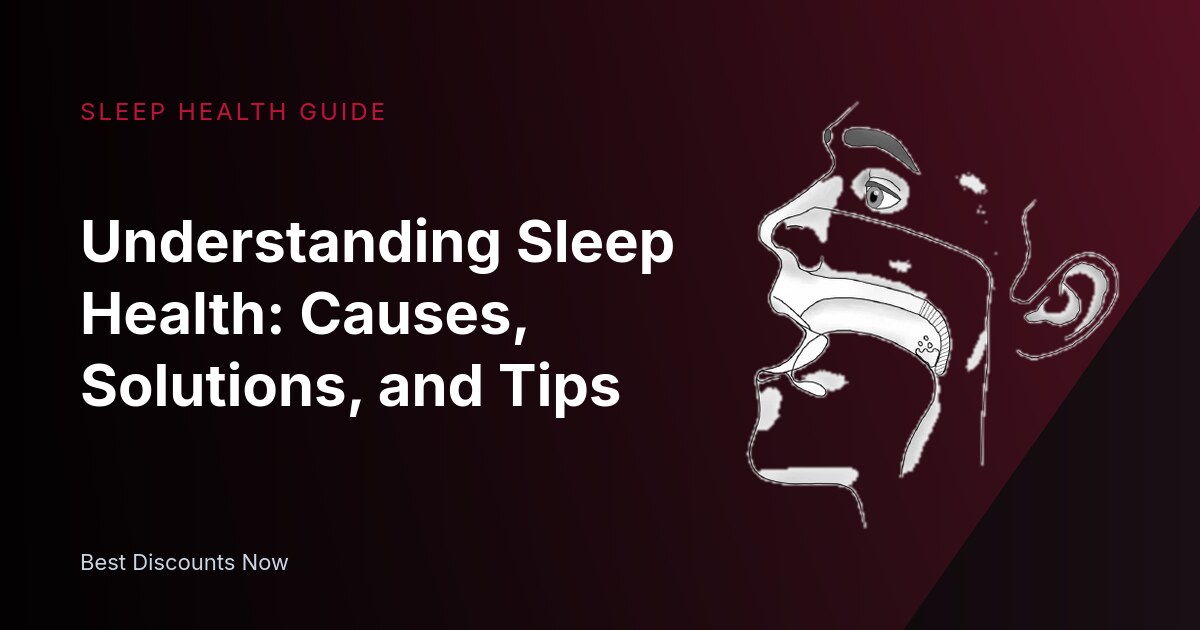
Sleep issues such as snoring and sleep apnea are common concerns that can impact overall health and well-being. Understanding their causes and how daily habits influence your sleep quality is crucial for finding effective solutions.
What Causes Sleep Issues?
Sleep problems, particularly snoring and conditions like sleep apnea, can arise from various factors. The main culprits often include anatomical features, lifestyle choices, and health conditions. For many individuals, physical attributes such as a thick neck or nasal congestion can significantly contribute to snoring, while obesity increases the likelihood of obstructive sleep apnea.
The Role of Lifestyle in Sleep Quality
Your daily habits play a key role in the quality of your sleep. Here are some lifestyle choices that can either help mitigate or worsen sleep issues:
- Diet: Heavy meals before bed can lead to discomfort and disrupted sleep. It's advisable to have lighter meals in the evening and avoid stimulants like caffeine close to bedtime.
- Alcohol Consumption: While alcohol may initially help you fall asleep, it can disrupt the latter part of your sleep cycle, leading to snoring or wakefulness.
- Sleep Position: Sleeping on your back can exacerbate snoring. Side sleeping is typically recommended to minimize airway obstruction.
- Smoking: Tobacco can irritate the throat and nasal passages, increasing the likelihood of snoring.
- Exercise: Regular physical activity can help maintain a healthy weight, which in turn can reduce sleep apnea symptoms.
Common Myths About Sleep Problems
There are several misconceptions surrounding snoring and sleep apnea. Understanding the truth behind these myths is essential for effectively dealing with sleep issues:
- Myth: Snoring is harmless. Unfortunately, snoring can indicate more serious issues like sleep apnea, which can have health implications if left untreated.
- Myth: Only overweight people snore. While weight can be a factor, anyone can snore, regardless of body type.
- Myth: Sleep apnea only affects older adults. Sleep apnea can occur at any age, including in children.
When to Seek Professional Help
If sleep problems persist despite implementing changes to lifestyle habits, it may be time to consult a healthcare professional. Symptoms that warrant medical attention include:
- Severe snoring that disrupts your sleep and your partner's sleep.
- Daytime fatigue or drowsiness, even after a full night's sleep.
- Choking or gasping during sleep.
- Keeping excessive hours in bed without feeling rested.
A healthcare provider can perform assessments, such as sleep studies, to diagnose conditions like sleep apnea accurately.
Helpful Techniques for Improving Sleep Health
In addition to addressing lifestyle factors and seeking medical attention if necessary, there are practical techniques you can implement to promote better sleep health:
- Establish a Sleep Routine: Going to bed and waking up at the same time every day helps regulate your body’s internal clock.
- Create a Comfortable Sleep Environment: Make your bedroom conducive for sleep by minimizing noise, adjusting the temperature, and ensuring comfortable bedding.
- Practice Relaxation Techniques: Techniques such as deep breathing, meditation, or gentle yoga can help reduce stress and prepare your body for sleep.
- Limit Screen Time: Blue light from phones and computers can disrupt your natural sleep-wake cycle, so it's beneficial to unplug at least an hour before bed.
For those specifically dealing with snoring and its impacts, strengthening throat muscles through targeted exercises may be an effective approach. One useful resource is the Stop Snoring Exercise Program review, which provides an accessible method to combat snoring and improve overall sleep quality.
Frequently Asked Questions
What are the main causes of sleep problems?
Sleep problems are often caused by anatomical features, lifestyle choices, and health conditions. Factors like obesity, heavy meals before bed, and alcohol consumption can exacerbate issues.
When should I see a doctor for sleep issues?
Consult a healthcare professional if snoring disrupts sleep or if you experience daytime fatigue, gasping during sleep, or require excessive hours of sleep without feeling rested.
How can lifestyle changes improve sleep quality?
Making adjustments such as adopting a healthier diet, avoiding alcohol and caffeine, sleeping in a different position, and getting regular exercise can greatly enhance sleep quality.
Are there effective exercises for snoring?
Yes, specific throat and neck exercises may help strengthen the muscles involved in snoring, potentially leading to better sleep and decreased snoring frequency.
What is the impact of sleep quality on health?
Poor sleep quality can lead to various health issues, including fatigue, decreased cognitive function, and long-term conditions like obesity and cardiovascular problems.
Keep Reading
How to Choose Effective Kidney Health Products Wisely
August 28, 2026
Blood Sugar Support: A Buyer’s Guide to Finding Quality
August 28, 2026
How to Choose the Right Digestive Health Supplement
August 28, 2026