Understanding Self-Sufficiency: Boosting Your Food Resilience
August 28, 2026 · 3 min read · By the Best Discounts Now editorial team
Boosting your self-sufficiency when it comes to food can significantly enhance your everyday resilience and preparedness. The causes of food insecurity can vary, from supply chain disruptions to personal financial challenges, but there are several proactive steps you can take to mitigate these risks.
Understanding the Sources of Food Insecurity
Food insecurity often stems from a combination of environmental, economic, and social factors. Economic downturns, natural disasters, and climate change can severely impact food availability and access. It's crucial to recognize these challenges to develop effective strategies that promote self-sufficiency.
Daily Habits to Enhance Food Self-Sufficiency
Building a sustainable food system at home requires cultivating specific daily habits. Here are several practical actions to consider:
- Plan Your Meals: Planning meals in advance helps reduce food waste and encourages cross-utilization of ingredients.
- Cook at Home: Preparing meals in your kitchen rather than relying on takeout can save money and allow you to choose healthier ingredients.
- Learn Food Preservation Techniques: Techniques like canning, fermenting, or dehydrating extend the shelf life of seasonal produce.
- Grow Your Own Food: Even a small garden or container plants can provide fresh herbs and vegetables, enhancing food availability.
- Build a Stockpile: Keeping a variety of non-perishable foods stocked can provide peace of mind during unexpected shortages.
Understanding Food Storage Options
The choice of food storage plays a key role in maintaining self-sufficiency. Understanding the pros and cons of different storage methods can help you make informed decisions:
- Refrigeration: While effective, reliance on refrigeration can become problematic during power outages.
- Freezing: Freezing foods can retain nutrients, but it also requires energy and space.
- Non-Perishable Foods: Items like canned goods, dried beans, and grains are essential for creating a stable food supply.
The Importance of Nutrition Education
Educating yourself about nutrition and the value of different foods can enhance your self-sufficiency. Knowledge about various food groups, health benefits, and cooking methods can empower you to make more informed choices. Resources such as community workshops, online courses, or local libraries can provide valuable information.
Garden Variability and Harvest Timing
When growing your own food, understanding the timing of growing seasons and the variability of different plants is essential. Some plants may thrive in specific conditions while others may not produce as expected. Keeping a gardening journal can help track successes and failures and improve your planning for future seasons.
When to Seek Professional Guidance
While many self-sufficiency practices can be learned independently, some scenarios call for professional insights. If you're facing health-related questions regarding nutrition or dietary choices, or if you have concerns about sustainable farming practices, reaching out to a registered dietitian or agricultural extension agent can provide expert advice tailored to your situation.
Resources to Consider
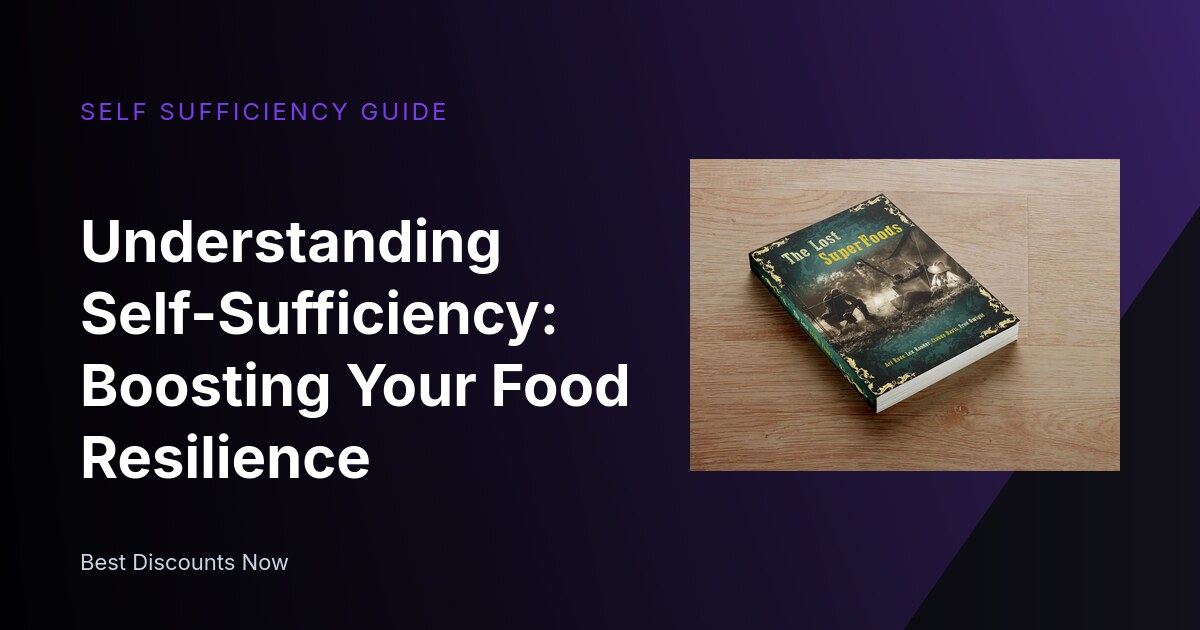
In your journey toward self-sufficiency, various resources can provide valuable guidance and information. Books, local agricultural organizations, and online forums can be excellent starting points. For anyone interested in a comprehensive guide to food preservation and self-sufficiency, consider looking into The Lost Super Foods review. It offers insights into long-lasting superfoods that can be stored without refrigeration, empowering readers to enhance their food preparedness significantly.
Frequently Asked Questions
What are some benefits of self-sufficiency in food?
Self-sufficiency in food allows individuals to depend less on external sources, providing security during shortages and better control over nutrition.
How can I start growing my own food at home?
You can start by choosing easy-to-grow plants for your climate, utilizing containers if space is limited, and applying basic gardening techniques.
What should I consider when stockpiling food?
When stockpiling, consider selecting a mix of non-perishable items, storing them in a cool, dry place, and regularly checking expiration dates.
How do I know when to see a professional about my diet?
If you have specific health concerns, dietary restrictions, or nutritional questions, it's best to consult a registered dietitian for tailored advice.
Are there any community resources for learning about food preservation?
Yes, many community colleges offer workshops, local extension services provide classes, and libraries may have books on food preservation techniques.
Keep Reading
How to Choose Effective Kidney Health Products Wisely
August 28, 2026
Blood Sugar Support: A Buyer’s Guide to Finding Quality
August 28, 2026
How to Choose the Right Digestive Health Supplement
August 28, 2026