Understanding Self-Sufficiency: Keys to Becoming Independent
August 28, 2026 · 3 min read · By the Best Discounts Now editorial team
Self-sufficiency is about reducing reliance on external systems by cultivating your resources and skills. This practice can lead to greater independence and security in various aspects of daily life.
What Causes Self-Sufficiency Needs?
Many people seek self-sufficiency due to rising utility costs, environmental concerns, or a desire for a more sustainable lifestyle. The complexity of modern life, including supply chain dependencies and utility failures, creates a growing desire to take control over one's own resources. Additionally, lifestyle choices driven by health awareness and sustainability concerns underline this movement towards self-sufficiency.
Daily Habits to Enhance Self-Sufficiency
Improving self-sufficiency often starts with simple changes in daily habits. Adopting practices that help cultivate skills and reduce dependency is essential. Below are actionable habits to integrate into your routine:
- Gardening: Start a vegetable garden to grow your own food. Growing vegetables and herbs not only provides healthy options but also instills a sense of accomplishment.
- Composting: Implement composting to recycle kitchen waste. This returns nutrients to the soil and enhances garden productivity, reducing the need for chemical fertilizers.
- DIY Skills: Learn basic DIY skills to maintain and repair household items. This includes everything from fixing leaky faucets to building furniture, which can save money and reduce reliance on services.
- Water Management: Collect rainwater and explore water-saving techniques. Efficient water usage is integral to self-sufficiency, particularly in areas prone to drought.
- Energy Efficiency: Evaluate energy usage and adopt energy-efficient practices. Consider alternative energy sources, such as solar panels, which can lower electricity bills and reliance on the grid.
Broader Acceptance of Practices
There’s a wealth of resources available that support the shift towards self-sufficiency. Community-supported agriculture and local food cooperatives are gaining traction, supporting healthier, more local food systems. Educational programs focusing on sustainable living, local farming, and conservation methods are also increasingly common. They equip individuals with the knowledge and skills needed for greater self-reliance.
When to Consult Professionals
While many self-sufficient practices can be tackled independently, there are moments when consulting a professional is necessary. Be mindful of the following situations that warrant expert advice:
- Health Concerns: If growing your own food results in health issues or if you're unsure about the safety of homegrown products, seek guidance from a health professional.
- Property Assessment: For major structural changes or land evaluations, consulting with an architect, surveyor, or land specialist can provide critical insights.
- Complex Systems: When exploring renewable energy systems or intricate plumbing, it's wise to hire qualified technicians to avoid compliance and safety issues.
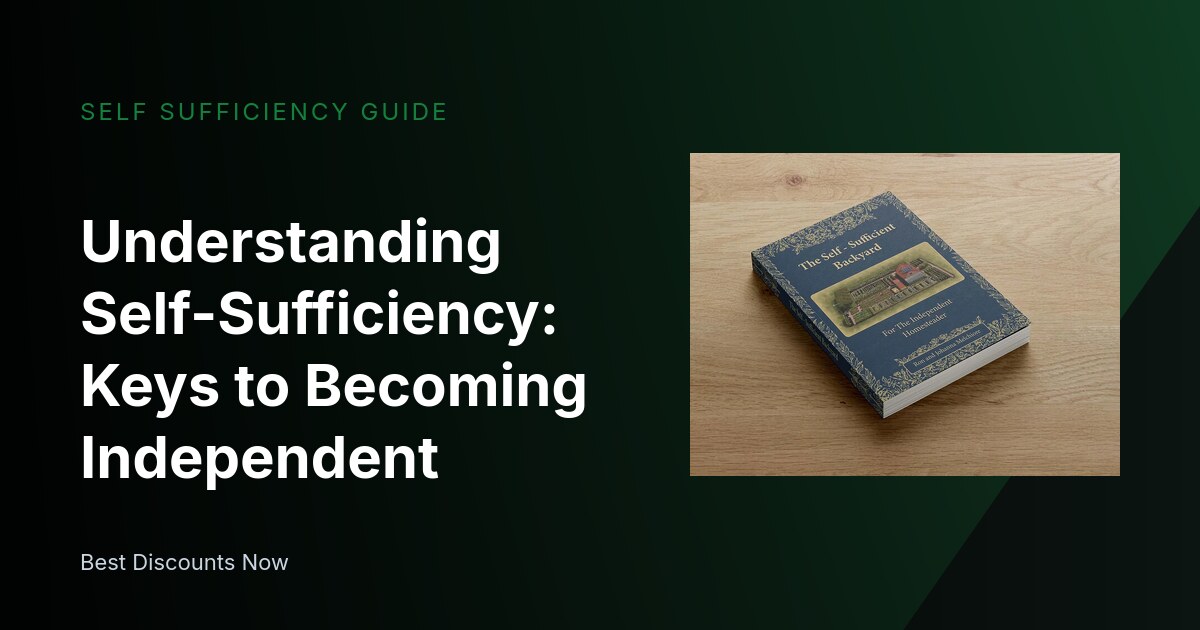
Integrating self-sufficiency into your life is a rewarding journey, but it’s essential to understand that success varies. Each person's circumstances, such as land size, financial resources, and personal expertise, play a significant role. For those looking for a comprehensive resource to guide them in this journey, The Self-Sufficient Backyard review offers invaluable insights.
Frequently Asked Questions
What is self-sufficiency?
Self-sufficiency refers to the ability to fulfill your own needs without reliance on external systems. It encompasses various practices, including growing food, conserving energy, and managing resources independently.
How can I start becoming more self-sufficient?
Begin by incorporating small habits like gardening, composting, and developing DIY skills. Each step you take will enhance your independence and comfort with self-reliance.
What are the benefits of a self-sufficient lifestyle?
A self-sufficient lifestyle can lead to reduced costs, improved health through fresh foods, and increased confidence in managing personal resources. It also fosters a greater connection with your surroundings.
When is it necessary to seek professional help?
Consider consulting professionals for health concerns related to homegrown food, complex systems like energy installations, or significant property changes. Their expertise can ensure safety and compliance.
Are there resources available for learning self-sufficiency skills?
Yes, many online and local resources exist, including workshops, community classes, and books dedicated to self-sufficiency. Engaging with community networks can also provide support and information.
Keep Reading
How to Choose Effective Kidney Health Products Wisely
August 28, 2026
Blood Sugar Support: A Buyer’s Guide to Finding Quality
August 28, 2026
How to Choose the Right Digestive Health Supplement
August 28, 2026