Understanding Oral Health: Key Factors and Good Habits
August 20, 2026 · 3 min read · By the Best Discounts Now editorial team
Oral health is influenced by various factors, including daily habits, genetics, and specific environmental conditions. Understanding these can aid in developing better practices that promote healthy teeth and gums.
Common Causes of Oral Health Problems
A variety of issues can lead to poor oral health, some of which are lifestyle-related, while others stem from genetic or systemic factors. Here are some of the primary causes:
- Poor Oral Hygiene: Neglecting to brush and floss regularly allows plaque and bacteria to thrive, which can lead to cavities and gum disease.
- Diet: High sugar and acidic foods can erode enamel and encourage decay. Conversely, a balanced diet rich in vitamins and minerals can support oral health.
- Smoking and Tobacco Use: Tobacco not only stains teeth but also contributes to gum disease and increases the risk of oral cancers.
- Genetics: Some individuals may be predisposed to certain dental conditions, impacting their overall oral health.
- Systemic Health Issues: Conditions like diabetes can also affect oral health, leading to higher risks of infections and gum disease.
Daily Habits That Affect Oral Health
Improving oral health often begins with establishing healthier daily habits. Here are some key behaviors that can help maintain and improve your oral condition:
- Regular Brushing: Brush at least twice a day with fluoride toothpaste to remove plaque and food particles.
- Flossing: Daily flossing is essential to reach areas that a toothbrush can’t, helping to prevent gum disease.
- Rinsing: Using an antimicrobial mouthwash can further reduce bacteria and help maintain freshness.
- Healthy Diet Choices: Choose crunchy fruits and vegetables, dairy products, and whole grains. Limit sticky snacks and beverages high in sugar.
- Hydration: Drinking water throughout the day can help wash away food particles and reduce the acidity in the mouth.
Evidence Supporting Oral Health Practices
While there are many beliefs about oral health, some practices are backed by scientific evidence:
- Fluoride: Research shows that fluoride strengthens tooth enamel and reduces the incidence of decay, which is why it’s commonly found in toothpaste and public water supplies.
- Dental Cleanings: Professional cleanings are recognized as effective for removing tartar and plaque buildup that regular brushing may miss.
- Nutrition: Studies indicate that certain nutrients, like calcium and vitamin D, play a role in maintaining healthy teeth and gums.
When to Seek Professional Help
While adopting good oral health habits can significantly improve your situation, it’s essential to recognize when professional help is needed:
- Persistent Pain: If you experience ongoing tooth pain or discomfort, it’s crucial to consult a dentist to diagnose any underlying issues.
- Gum Issues: Signs of gum disease, such as swelling or bleeding, should be addressed immediately with a professional.
- Frequent Cavities: Regularly developing cavities despite good oral care may suggest the need for a deeper evaluation.
- Persistent Bad Breath: If bad breath persists even with good hygiene, it may indicate underlying health issues that require a professional’s attention.
Considering Supplements for Oral Health
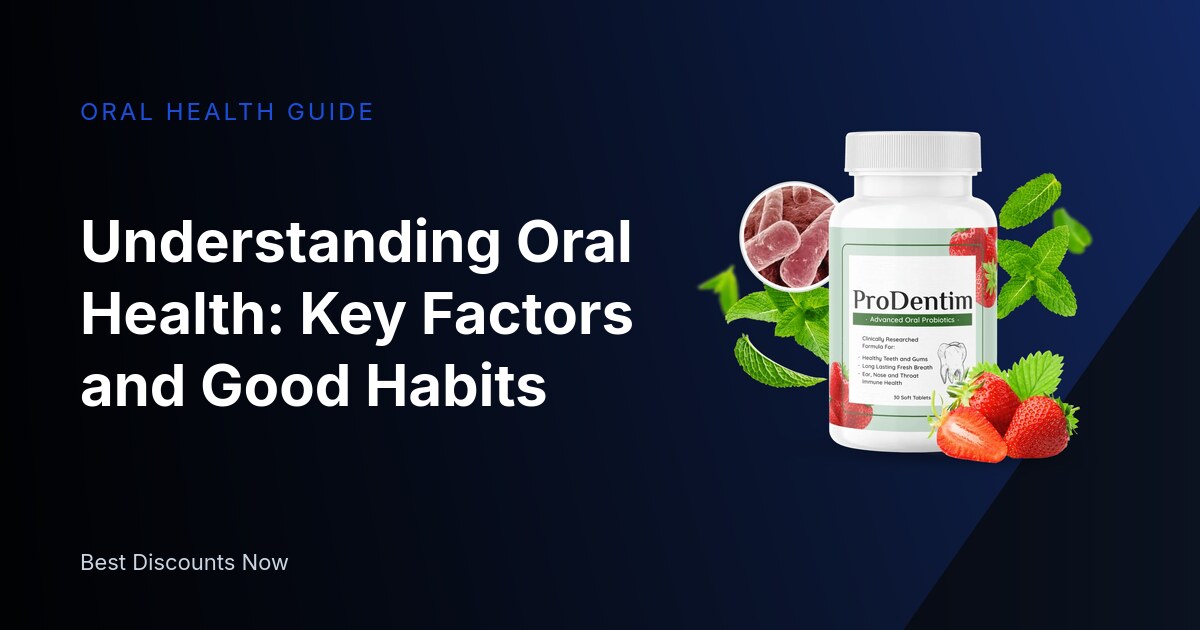
While good habits are vital, some people also consider supplements to support their oral health. These products often contain vitamins, minerals, and probiotics that aim to support oral health and overall well-being. One such product is Prodentim, which appears to have a unique formulation designed for this purpose. Always consult a healthcare provider before introducing any new supplement to your routine.
Frequently Asked Questions
What are the main factors affecting oral health?
Key factors include poor oral hygiene, diet, tobacco use, genetics, and systemic health issues that can compound oral health problems.
How often should I visit the dentist?
Generally, it is recommended to visit the dentist every six months for a routine check-up and cleaning, but this can vary based on individual needs.
What are some effective daily oral health habits?
Effective habits include brushing at least twice a day, daily flossing, using mouthwash, maintaining a healthy diet, and staying hydrated.
When should I seek professional help for oral issues?
You should see a dentist if you experience persistent pain, have signs of gum disease, frequently develop cavities, or have ongoing bad breath.
Are there any supplements that support oral health?
Yes, some supplements are designed to support oral health, often containing vitamins, minerals, and probiotics. Always consult a healthcare professional before starting any supplement.
Keep Reading
How to Choose Effective Kidney Health Products Wisely
August 28, 2026
Blood Sugar Support: A Buyer’s Guide to Finding Quality
August 28, 2026
How to Choose the Right Digestive Health Supplement
August 28, 2026