Understanding Oral Health: Causes, Habits, and Solutions
August 21, 2026 · 4 min read · By the Best Discounts Now editorial team
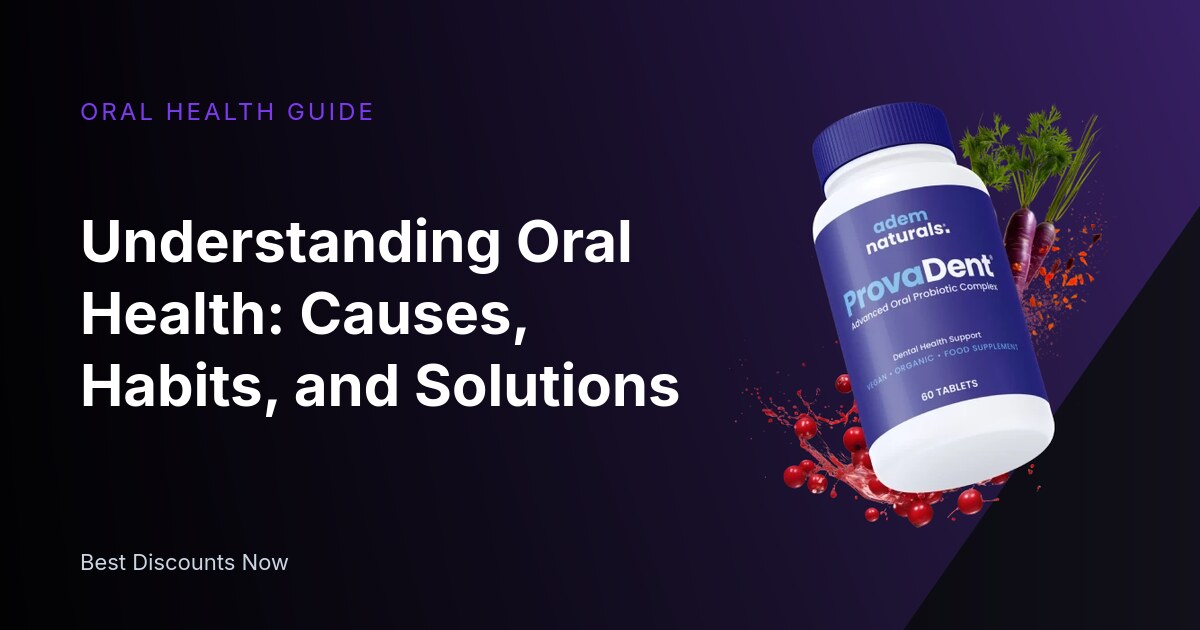
Oral health issues can stem from various causes, including poor hygiene, diet, and lifestyle choices. Understanding these factors is essential to improving your overall dental well-being.
Common Causes of Oral Health Issues
Oral health problems can arise from several factors, including plaque buildup, tooth decay, and gum disease. Plaque forms from food particles and bacteria that accumulate on teeth and gums, leading to cavities and inflammation if left untreated.
- Poor Oral Hygiene: Inconsistent brushing and flossing allow plaque to harden into tartar, resulting in more severe dental issues.
- Poor Diet: A diet high in sugars and acids can contribute to tooth decay, as these substances feed harmful bacteria in the mouth.
- Tobacco Use: Smoking and chewing tobacco can lead to dental problems, including gum disease and oral cancer.
- Genetics: Some individuals may be predisposed to certain oral health issues based on their genetic makeup.
- Certain Medications: Some medications can cause dry mouth or affect oral health in other ways, necessitating extra attention to dental care.
Daily Habits That Help Maintain Oral Health
Incorporating effective daily habits can significantly improve oral health and prevent many issues. Here are some key practices to consider:
- Brush Twice Daily: Use a fluoride toothpaste and a soft-bristled toothbrush. Brushing for two minutes, morning and night, helps remove plaque and food particles.
- Floss Regularly: Daily flossing removes plaque and debris between teeth that a toothbrush might miss, keeping gums healthy.
- Maintain a Balanced Diet: Consume a diet rich in fruits, vegetables, whole grains, and dairy, while limiting sugary and acidic foods.
- Stay Hydrated: Drinking water helps rinse away food particles and bacteria, while also stimulating saliva production to protect your teeth.
- Use Mouthwash: An antimicrobial mouthwash can help reduce plaque, gingivitis, and bad breath by killing bacteria in the mouth.
The Role of Professional Care
While daily habits are crucial, regular check-ups with a dental professional can provide additional support for maintaining oral health. Dentists can identify early signs of problems, perform professional cleanings, and recommend personalized care. Most people should schedule dental visits at least twice a year, but some may need more frequent appointments based on their dental health.
When to Seek Professional Help
It's essential to recognize when an oral health issue may require professional intervention beyond daily habits. Some warning signs include:
- Persistent Bad Breath: Chronic bad breath may indicate gum disease or other health issues that require attention.
- Tooth Sensitivity: Sensitivity to hot, cold, or sugary foods can signal underlying problems like cavities or worn enamel.
- Bleeding Gums: Bleeding during brushing or flossing is not normal and may suggest gum disease.
- Loose Teeth: Teeth that feel loose or shift can indicate serious gum problems that need professional assessment.
- Pain or Discomfort: Any ongoing pain or discomfort in the mouth should be evaluated by a dentist to determine the underlying cause.
Natural and Holistic Approaches to Supporting Dental Health
In addition to conventional oral care practices, many people explore natural and holistic approaches to enhance their dental health. These can include:
- Oil Pulling: Swishing oil in the mouth for a few minutes may help remove bacteria and improve oral hygiene.
- Herbal Remedies: Some herbs, such as neem and aloe vera, have been traditionally used for their antibacterial and anti-inflammatory properties.
- Probiotics: Emerging research suggests that probiotics may support oral health by balancing the mouth’s microbiome, potentially reducing harmful bacteria.
For those considering a product to support remineralization, Provadent review delves into how this dental foam works and its natural ingredients.
Staying Informed About Oral Health
Being proactive about your oral health involves staying informed about best practices and new developments in the field. Reading reputable sources and following dental associations can provide valuable insights and up-to-date research.
Conclusion: Taking Charge of Your Oral Health
Ultimately, taking charge of your oral health involves understanding its underlying causes and adopting beneficial daily habits. While remedial products can assist, the cornerstone of long-term oral health is commitment to hygiene and regular dental care.
Frequently Asked Questions
What are the main factors affecting oral health?
The main factors affecting oral health include poor hygiene, diet, genetics, and certain medications. Plaque buildup and tobacco use are also significant contributors.
How often should I visit the dentist?
Most individuals should visit the dentist at least twice a year for regular check-ups and cleanings. Your needs may vary based on current oral health.
Can diet impact oral health?
Yes, a diet high in sugars and acids can lead to tooth decay and other issues. A balanced diet supports better oral health.
What should I do if I have tooth sensitivity?
If you experience tooth sensitivity, it's essential to consult a dentist. They can determine the cause and recommend appropriate treatments.
Are natural remedies effective for oral health?
Some natural remedies may be beneficial, but their effectiveness can vary. Always consider consulting a dental professional before trying new approaches.
Keep Reading
How to Choose Effective Kidney Health Products Wisely
August 28, 2026
Blood Sugar Support: A Buyer’s Guide to Finding Quality
August 28, 2026
How to Choose the Right Digestive Health Supplement
August 28, 2026