Understanding Metabolism Health: Factors and Solutions
August 28, 2026 · 4 min read · By the Best Discounts Now editorial team
Metabolism health is influenced by multiple factors, including genetics, diet, physical activity, and overall lifestyle choices. Understanding these elements can help you cultivate habits that support metabolic function and energy levels, ultimately empowering your daily life.
What is Metabolism and Its Importance?
Metabolism refers to the chemical processes in the body that convert food into energy. It is essential for maintaining body functions, including breathing, digestion, and cellular repair. A healthy metabolism ensures efficient energy production, which can lead to improved physical performance, weight management, and overall wellness.
What Causes Metabolic Issues?
Metabolic issues can stem from a variety of sources. Here are the key contributors:
- Genetics: Some individuals may have inherited metabolic conditions that influence how efficiently their bodies convert food into energy.
- Poor Diet: High-sugar, high-fat diets lacking essential nutrients can lead to metabolic dysregulation.
- Physical Inactivity: Sedentary lifestyles can slow down metabolic rates, leading to weight gain and other issues.
- Hormonal Imbalances: Hormones such as insulin and thyroid hormones play a crucial role in metabolism. An imbalance can disrupt metabolic processes.
- Stress: Chronic stress can lead to the production of cortisol, which may interfere with metabolic function.
Everyday Habits That Influence Metabolism
Implementing certain lifestyle habits can positively affect your metabolism:
- Regular Exercise: Engaging in physical activity, especially strength training, can help boost your metabolic rate by increasing muscle mass.
- Stay Hydrated: Drinking enough water is vital for metabolic processes; even mild dehydration can slow metabolism.
- Eat a Balanced Diet: Consuming a diet rich in whole foods, including fruits, vegetables, lean proteins, and whole grains, can support metabolic health.
- Get Enough Sleep: Adequate sleep is essential for hormone regulation and overall metabolic function.
- Manage Stress: Finding effective ways to manage stress can help maintain hormonal balance and support metabolism.
The Role of Nutrition in Metabolic Health
Nutrition plays a significant part in enhancing metabolism. Here are several key nutrients known to support metabolic function:
- Protein: A diet higher in protein can increase the thermic effect of food (TEF), leading to greater energy expenditure during digestion.
- Fiber: Foods rich in fiber can promote a healthy gut, which is important for efficient metabolism.
- Healthy Fats: Omega-3 fatty acids and monounsaturated fats can support hormone production and improve metabolic health.
- B Vitamins: These vitamins play essential roles in energy production and metabolic pathways.
- Antioxidants: Found in fruits and vegetables, antioxidants can help reduce oxidative stress that may affect metabolic functions.
Evidence-based Practices for Metabolism
While many dietary and lifestyle changes can potentially benefit metabolism, not all methods have the same level of support from scientific research. Broadly accepted practices include:
- Increased Physical Activity: Numerous studies indicate that regular exercise is one of the most effective ways to enhance metabolic rate.
- Meal Timing: Some evidence suggests that structuring meal times, such as incorporating intermittent fasting, may offer metabolic benefits for some people.
- Caloric Regulation: Being aware of caloric intake and making adjustments can help maintain a healthy weight, which is closely linked to metabolic health.
When to Seek Professional Help
There are times when adjustments in lifestyle or nutrition may not yield the desired results, and it may be necessary to consult with a healthcare professional. Consider seeking help if you experience:
- Unexplained weight changes (gain or loss).
- Fatigue that impacts daily life.
- Persistent hormonal imbalances or symptoms (e.g., bloating, mood changes).
- Difficulty concentrating or other cognitive changes.
- A family history of metabolic disorders.
Supplementing Metabolism Health
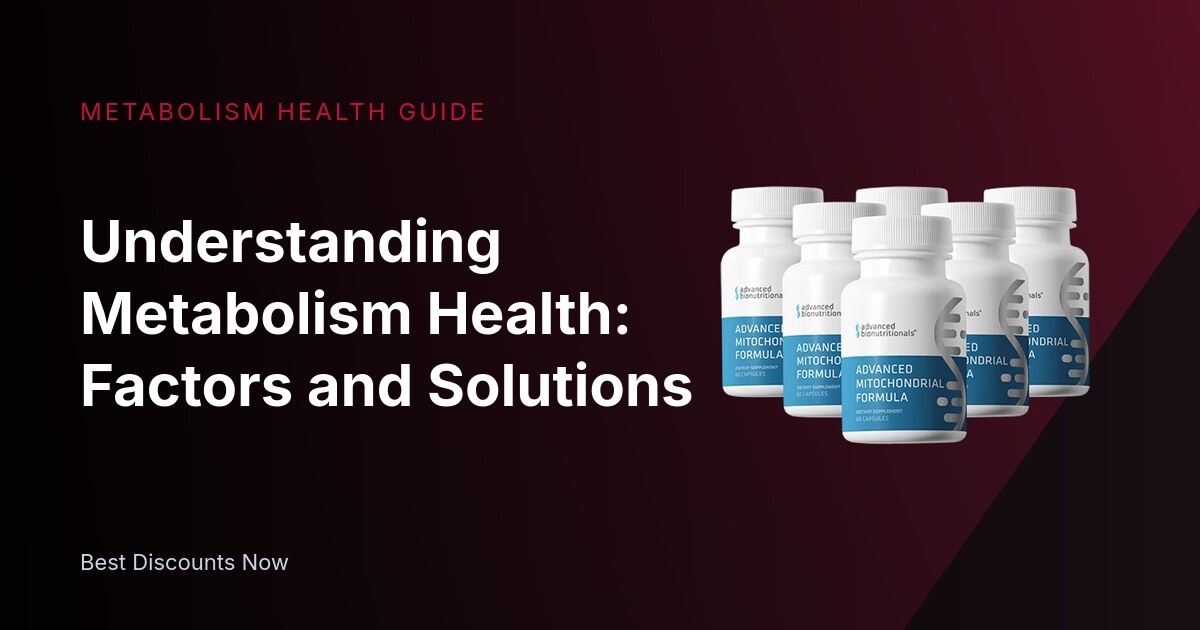
For some individuals, dietary supplements may provide additional support for metabolic health. Supplements focusing on mitochondrial support can help boost energy and enhance cellular function. One such option is the Advanced Mitochondrial Formula review, which aims to help combat fatigue and improve energy production.
Frequently Asked Questions
How can I boost my metabolism naturally?
To boost your metabolism naturally, incorporate regular exercise, stay hydrated, and maintain a balanced diet rich in whole foods.
What dietary changes can improve metabolic health?
Eating a diet high in protein, fiber, and healthy fats while reducing sugar intake can help improve metabolic health.
When should I consult a doctor about my metabolism?
Consult a doctor if you experience significant weight changes, unexplained fatigue, or have a family history of metabolic disorders.
Do supplements actually help with metabolism?
Some supplements may aid metabolism; however, their effectiveness can vary widely among individuals, so it's important to evaluate their benefits carefully.
Can stress affect my metabolic rate?
Yes, chronic stress can lead to hormonal changes that may disrupt your metabolic rate and overall metabolic health.
Keep Reading
How to Choose Effective Kidney Health Products Wisely
August 28, 2026
Blood Sugar Support: A Buyer’s Guide to Finding Quality
August 28, 2026
How to Choose the Right Digestive Health Supplement
August 28, 2026