Understanding Digestive Health: Causes and Solutions
August 28, 2026 · 3 min read · By the Best Discounts Now editorial team
Digestive health issues, like constipation, affect many people and can stem from various causes. Understanding these factors and making small, manageable changes to daily habits can improve your digestive well-being.
Common Causes of Digestive Issues
Several factors can contribute to problems with digestion, especially constipation. Key causes include diet, dehydration, lack of physical activity, and stress. These elements can slow down the digestive process or disrupt the natural balance in your gut, leading to discomfort and irregularities.
The Role of Diet in Digestive Health
Your diet plays a pivotal role in your digestive health. A diet low in fiber can result in constipation, while a high-fiber diet aids digestion. Foods rich in fiber, such as fruits, vegetables, whole grains, and legumes, help to form bulk in your stool, making it easier to pass.
The Impact of Hydration
Dehydration is another common issue that can hinder digestion. Adequate fluid intake helps soften stool and promotes regular bowel movements. Aim to drink plenty of water throughout the day, especially when increasing your fiber intake, as fiber works best when paired with sufficient hydration.
Why Physical Activity Matters
Regular physical activity can stimulate digestion, helping to move food through the digestive tract. Even simple activities like walking or stretching can be beneficial. Incorporating exercise into your daily routine may lead to improved digestive function and fewer issues related to constipation.
Understanding Stress and Its Effects
Stress can significantly affect digestive health. It can alter gut motility and lead to symptoms like bloating, cramping, and constipation. Practicing relaxation techniques, such as deep breathing, yoga, or meditation, can help reduce stress and may positively influence digestion.
Identifying Habits That Worsen Digestion
- Skipping meals: Consistency in meal schedules can help regulate your digestive system.
- Overly processed foods: These often lack the necessary nutrients and fiber that support healthy digestion.
- Ignoring the urge to go: Not responding to natural cues can lead to constipation issues.
Signs That You Should See a Professional
While lifestyle changes can be effective, there are times when seeking professional help is necessary. If you experience chronic constipation, significant changes in your bowel habits, severe pain, or accompanying symptoms like vomiting, it is important to consult a healthcare provider. They can help identify any underlying conditions and provide tailored recommendations.
Integrating Natural Solutions
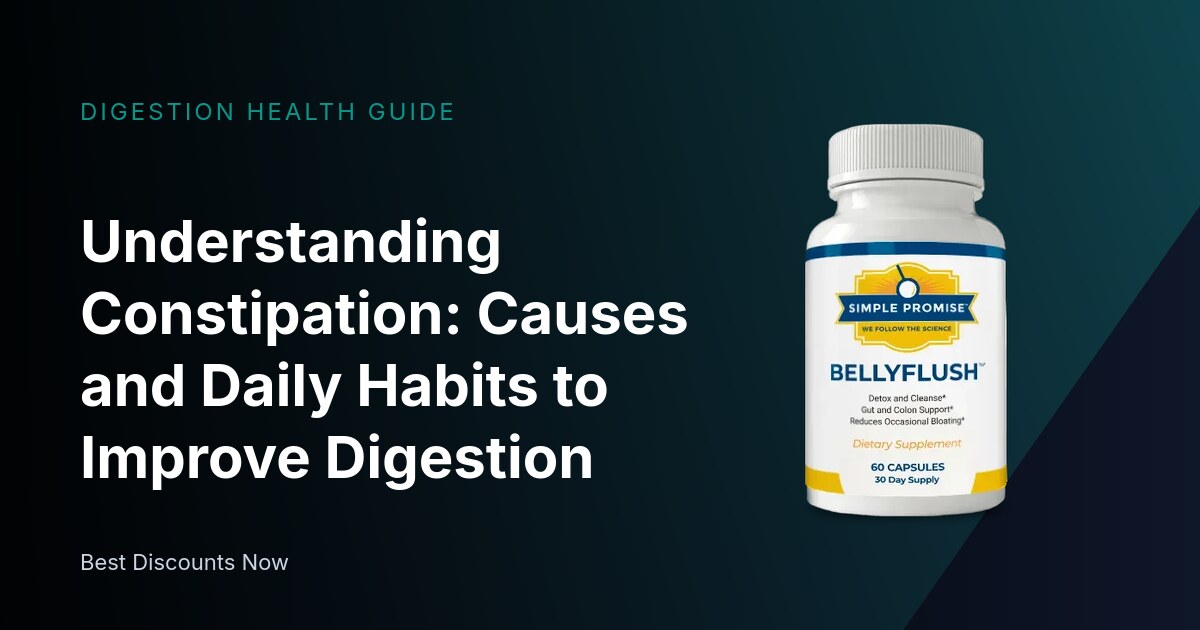
For those looking for additional support, natural supplements can be considered to complement healthy habits. There are various products on the market that aim to support digestive health. For example, BellyFlush review highlights a potential solution for those struggling with constipation and digestive issues.
Frequently Asked Questions
What are some common symptoms of poor digestion?
Common symptoms include bloating, gas, constipation, and abdominal discomfort. These can arise from various causes, including dietary choices and lifestyle factors.
How can diet improve digestive health?
A diet high in fiber from fruits, vegetables, and whole grains promotes healthy digestion by aiding in the formation of stool and regular bowel movements.
What should I do if I have chronic constipation?
If you experience chronic constipation, it's essential to consult a healthcare provider for appropriate diagnosis and personalized treatment options.
Can stress management help with digestion?
Yes, managing stress through techniques like meditation and exercise can positively impact digestion and alleviate symptoms associated with stress.
How much water should I drink for optimal digestion?
Generally, aiming for eight 8-ounce glasses of water a day is a good start, but individual needs may vary based on activity level and climate.
Keep Reading
How to Choose Effective Kidney Health Products Wisely
August 28, 2026
Blood Sugar Support: A Buyer’s Guide to Finding Quality
August 28, 2026
How to Choose the Right Digestive Health Supplement
August 28, 2026