How to Choose the Right Self-Sufficiency Products
August 28, 2026 · 4 min read · By the Best Discounts Now editorial team
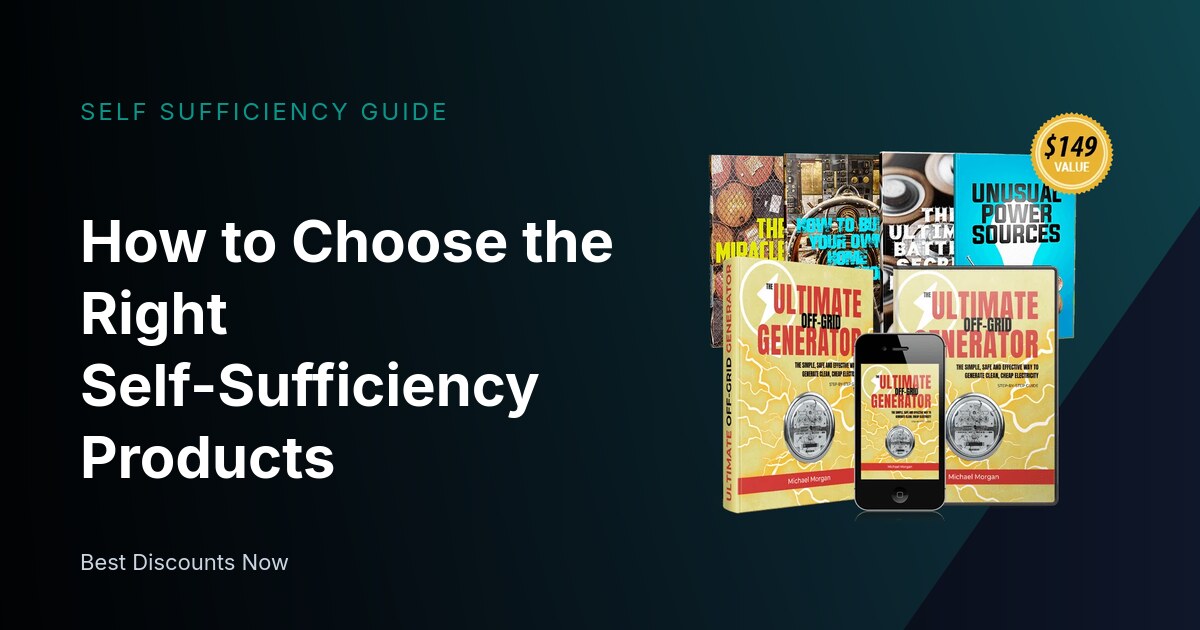
When assessing self-sufficiency products, it’s vital to distinguish between trustworthy options and gimmicks. Key factors include formulation transparency, dosage accuracy, manufacturing standards, and valid guarantees. Knowing these criteria can help empower your decision-making process.
Understanding Formulation Transparency
Formulation transparency is essential in any self-sufficiency product. It means that the manufacturer is open about what’s inside their products. A serious contender will provide a detailed ingredient list, including any proprietary blends, and be upfront about their sourcing and quality control standards.
By using transparent formulations, potential users can assess the efficacy and safety of the product. For instance, if a generator claims to increase energy efficiency but doesn't disclose how it generates energy, it raises questions about its effectiveness. Look for companies that willingly share test results or certifications from independent laboratories, as this adds to their credibility.
Evaluating Dosages and Instructions
Next, consider dosage. A legitimate product should come with clear instructions regarding its use, including how much energy it can generate and the optimal conditions for operation. Dosage accuracy is critical to achieving the expected results and ensuring safety.
For instance, if a product suggests a specific amount of use without clear parameters, be cautious. Without clear guidelines, users might misuse the product or expect results that are unrealistic. Ensure that the instructions are easy to understand and that the expected outcomes are reasonable.
Manufacturing Standards Are Key
The manufacturing standards of a self-sufficiency product will significantly influence its quality and reliability. Look for companies that adhere to industry standards and acquire certifications from relevant regulatory bodies. Certifications do vary by region and product type, so it's crucial to familiarize yourself with what is applicable for your situation.
Check if the product is made in facilities that follow stringent safety and quality protocols, like ISO or other relevant certifications. Be wary of products that do not disclose where and how their items are made, as this can hint at lower quality or subpar materials being used in production.
Warranties and Guarantees
A solid guarantee or warranty can be an indicator of product reliability. It shows that the manufacturer stands by the quality of their offering. Be cautious of products that do not offer any guarantee or very limited warranties. These may not be worth your investment.
When evaluating warranties, pay attention to the terms. A longer warranty period might suggest confidence in the product's durability. Conversely, vague or restrictive warranty terms can often be red flags indicating the manufacturer does not expect their product to perform well in the long term.
Where Products Are Sold Matters
Another critical aspect is where a product is available for purchase. Reputable self-sufficiency products are typically sold through established retail outlets or reliable online platforms. If you come across a product that is only available through limited channels or direct sales, approach with caution.
Consider investigating user reviews and testimonials outside of the manufacturer’s site. Real feedback from actual users can provide insights into the product's performance, highlighting possible issues that marketing materials might gloss over.
Common Red Flags to Avoid
Recognizing the signs of a gimmick is just as important as knowing what to look for in a legitimate product. Be on the lookout for overly exaggerated claims in advertisements that promise unrealistic results without substantiation. Products that lack detailed information about their formulation, dosing instructions, or sourcing should also be treated with skepticism.
Additionally, disregard products that don't have contact information for customer service or are unavailable through major retail platforms. A reliable manufacturer should be easy to contact in case of questions or concerns regarding their product.
Comparative Evaluation of Options
To compare different self-sufficiency options accurately, consider creating a comparison chart. This can help you analyze multiple products side-by-side based on the criteria discussed above. Include columns for formulation transparency, dosage instructions, manufacturing standards, warranty details, and where each product can be purchased.
Once you’ve gathered all this information, you’ll have a more comprehensive understanding of which self-sufficiency products stand out and deserve further investment. Remember, investing time in research can save you from financial loss in the long run.
For those keen on improving their self-sufficiency, consider exploring the Ultimate OFF-GRID Generator review to see how it aligns with the aforementioned criteria.
Frequently Asked Questions
What is formulation transparency?
Formulation transparency refers to the openness of a manufacturer about the ingredients in their products.
Why are manufacturing standards important?
Manufacturing standards ensure the product meets safety and quality control protocols, impacting its reliability.
How can I evaluate the credibility of a product?
Consider researching the manufacturer's certifications, customer reviews, and transparency regarding formulations.
What are the signs of a product being a gimmick?
Exaggerated claims, lack of detailed information, and hard-to-find customer support are red flags for gimmick products.
How can I compare different self-sufficiency products?
Create a comparison chart based on criteria like formulation, dosage, manufacturing standards, and warranty details.
Keep Reading
How to Choose Effective Kidney Health Products Wisely
August 28, 2026
Blood Sugar Support: A Buyer’s Guide to Finding Quality
August 28, 2026
How to Choose the Right Digestive Health Supplement
August 28, 2026