How to Identify Serious Self-Sufficiency Products
August 28, 2026 · 4 min read · By the Best Discounts Now editorial team
When navigating the world of self-sufficiency products, it's crucial to know what separates serious, effective items from mere gimmicks. Key factors to consider include formulation transparency, dosages, manufacturing standards, guarantees, and where the products are sold.
Understanding Formulation Transparency
Formulation transparency refers to how openly a product's ingredients and construction methods are communicated to consumers. Brands that disclose their components, sourcing, and production processes allow for greater scrutiny and trust among potential buyers. This is particularly essential in self-sufficiency products, where the effectiveness often hinges on specific materials and recipes.
Why Transparency Matters
Transparency builds trust. When a manufacturer shares detailed information about how a product is made, it suggests they have confidence in its quality and efficacy. Consider looking for products that provide not just a list of ingredients but also their intended purpose and effects. If a product claims to solve energy issues, like reducing electricity consumption, it should specify how it does so.
Effective Dosages and Specifications
Another important aspect is dosage clarity. This is especially relevant for products that include active ingredients aimed at energy generation or storage. Clear dosage information allows consumers to understand exactly what level of effectiveness they can expect.
Looking for Adequate Information
Serious products typically indicate how much of each component is necessary for achieving optimal results. If you find vague or misleading dosage instructions on packaging, it may be a sign to reconsider your purchase. A reputable product supplier should provide the consumer with guidance on how to apply or use it effectively for the best results.
Manufacturing Standards and Certifications
Product quality often correlates with the manufacturing standards that govern its production. Items that come from manufacturers with established production protocols generally demonstrate higher reliability. Certifications from recognized bodies can also provide assurance on product quality and safety.
What to Look For
Seek out products manufactured in environments that comply with safety standards and regulations. Certifications such as ISO (International Organization for Standardization) can offer insights into the company's commitment to quality control. The presence of such marks can separate reputable products from those that don’t meet industry standards.
Evaluating Guarantees and Returns
A solid guarantee or return policy speaks volumes about the confidence a company has in its products. If a manufacturer offers a money-back guarantee or a warranty, it indicates that they believe in the capabilities of what they are selling. This is particularly important for self-sufficiency products, which may require an investment that not all consumers are willing to make without assurance.
Consider the Fine Print
Always read the guarantee details. Understand what conditions need to be met for you to secure a return or refund. Look for companies with a straightforward process for returns and clear guidelines on customer satisfaction.
Where to Buy Matters
The location from which you purchase self-sufficiency products can significantly impact their reliability. Established retailers or direct-from-manufacturer options usually provide a level of assurance concerning product authenticity compared to unknown vendors.
Researching Retailers
Before making a purchase, research the retailer's reputation, including customer reviews and ratings. Avoid buying from sketchy websites or platforms without adequate seller information or reviews. Trusted online retailers often provide better customer service and a more reliable shopping experience.
Red Flags to Walk Away From
Despite diligent research, certain red flags can emerge in the product or seller. It's essential to be vigilant and aware of these warning signs to protect yourself from investing in ineffective or potentially harmful items.
- Lack of Transparency: If a product hides ingredient information or manufacturing processes, it's a cause for concern.
- Overly Exaggerated Claims: Beware of products that promise extraordinary results with minimal effort. Serious products usually provide realistic expectations rather than grandiose outcomes.
- Poor Customer Service: If a vendor is difficult to reach or unresponsive, it raises questions about their support after purchase.
- Overly Complicated Returns: A return policy that is excessively complex can indicate a reluctance to accept returns, suggesting a lack of confidence in the product's efficacy.
Comparing Options Honestly
When presented with several self-sufficiency products, systematic comparison is crucial. Start by creating a list of criteria based on the qualities we've discussed. Compare each product against these criteria to gauge how they measure up.
Creating a Comparison Grid
Consider using a grid format to match products side-by-side based on factors like price, transparency, manufacturer standards, and guarantees. This visual comparison can help clarify your options, making it easier to identify which product aligns best with your self-sufficiency goals.
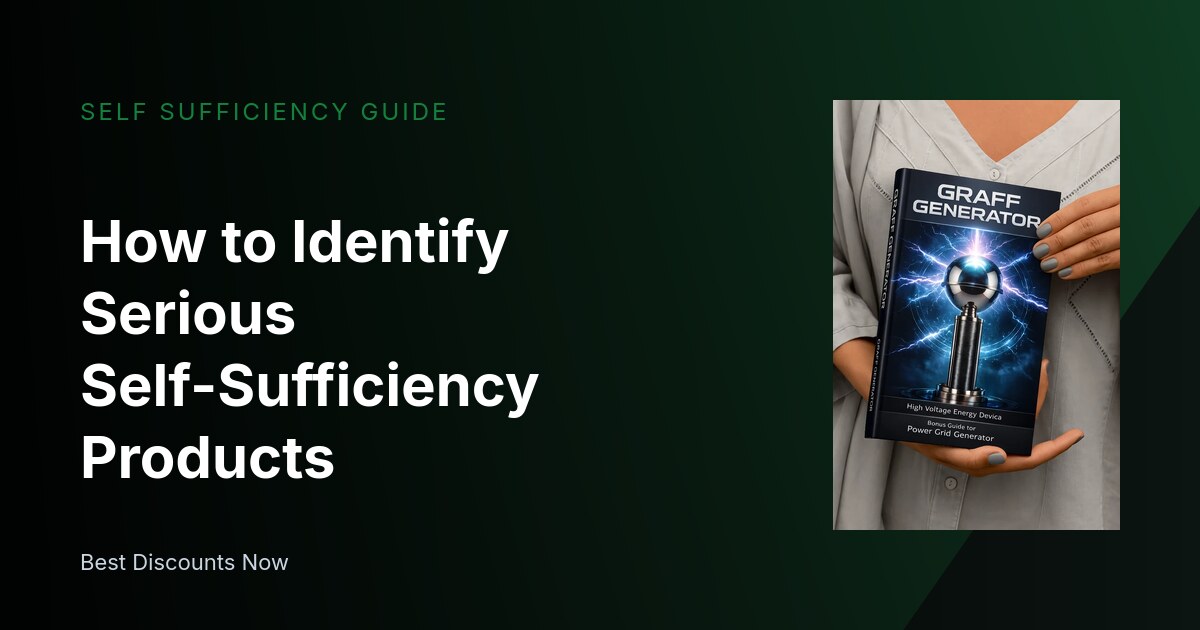
For those interested in a unique DIY solution to reduce electricity bills, the Power Grid Generator offers insights into utilizing magnetic forces for sustainable energy. However, remember to weigh its technical requirements and consult trusted resources to ensure it fits your self-sufficiency needs.
Frequently Asked Questions
What makes a self-sufficiency product reliable?
A reliable self-sufficiency product is characterized by transparency in formulation, clear dosages, adherence to manufacturing standards, and a solid return policy.
How can I spot a gimmick in self-sufficiency products?
Look for exaggerated claims, lack of ingredient transparency, and unclear return policies as key indicators that a product may be a gimmick.
Are there certifications I should look for?
Yes, certifications like ISO can indicate that a product is manufactured under stringent quality controls, providing added assurance of its reliability.
Why is it important to consider where I buy a product?
The retailer's reputation impacts product authenticity and customer support, making it essential to purchase from trusted sources.
What should I include in a product comparison?
Include factors like price, transparency, manufacturing standards, and guarantees when comparing self-sufficiency products to make an informed choice.
Keep Reading
How to Choose Effective Kidney Health Products Wisely
August 28, 2026
Blood Sugar Support: A Buyer’s Guide to Finding Quality
August 28, 2026
How to Choose the Right Digestive Health Supplement
August 28, 2026