Understanding Heart Health: Causes and Daily Habits for a Better Life
August 28, 2026 · 4 min read · By the Best Discounts Now editorial team
Heart health is crucial for overall well-being, impacting everything from physical endurance to mental clarity. Understanding what affects heart health is essential for making informed lifestyle choices that support cardiovascular wellness.
Understanding the Causes of Heart Health Issues
The causes of heart-related issues often stem from a combination of genetic, lifestyle, and environmental factors. Genetics play a role, as certain conditions such as hypertension can run in families. However, most heart health concerns are influenced significantly by daily habits, diet, and activity levels.
Daily Habits That Impact Heart Health
Simple everyday choices can have a profound effect on heart health. Here are several habits to consider:
- Diet: Consuming a balanced diet rich in fruits, vegetables, whole grains, and lean proteins can improve heart health. Foods high in saturated fats, trans fats, and excessive sodium should be limited.
- Physical Activity: Engaging in regular physical activity strengthens the heart muscle and improves circulation. Aim for at least 150 minutes of moderate exercise per week.
- Stress Management: Chronic stress negatively impacts heart health. Implementing stress management techniques like mindfulness, meditation, or yoga can be beneficial.
- Sufficient Sleep: Ensuring adequate sleep of 7-9 hours per night is vital, as poor sleep quality is linked to various heart issues.
- Avoiding Tobacco and Excessive Alcohol: Smoking and high alcohol consumption are both major risk factors for heart disease. Quitting smoking and moderating alcohol intake can significantly improve heart health.
What the Evidence Suggests
Numerous studies have shown that a heart-healthy lifestyle can reduce the risk of cardiovascular disease. Research indicates that diets such as the Mediterranean diet—rich in healthy fats, whole grains, and plant-based foods—are associated with lower risks of heart disease. Regular physical activity is also widely endorsed for its cardiovascular benefits.
That being said, while lifestyle changes are strongly supported by the evidence, specific individual results may vary. Factors like age, genetics, and existing health conditions play a significant role in how effective these changes may be.
When to Seek Professional Help
Despite implementing lifestyle changes, some may experience ongoing issues that require professional intervention. Here are signs to watch for:
- Consistent High Blood Pressure: If healthy lifestyle changes don’t impact your blood pressure readings, a healthcare professional should evaluate your situation.
- Frequent Chest Pain or Palpitations: These could signal more serious heart issues, warranting immediate medical attention.
- Family History of Heart Disease: Individuals with a family history of heart disease should consult a doctor even in the absence of symptoms to discuss preventive measures.
- Persistent Fatigue or Weakness: If you find that you're inexplicably fatigued or weak, it’s important to seek professional evaluation.
Natural Aids for Heart Health
In addition to lifestyle changes, some natural supplements are thought to support heart health. While research continues, certain ingredients found in supplements, such as Omega-3 fatty acids, Coenzyme Q10, and specific herbal extracts, are backed by preliminary evidence suggesting they may contribute to heart health.
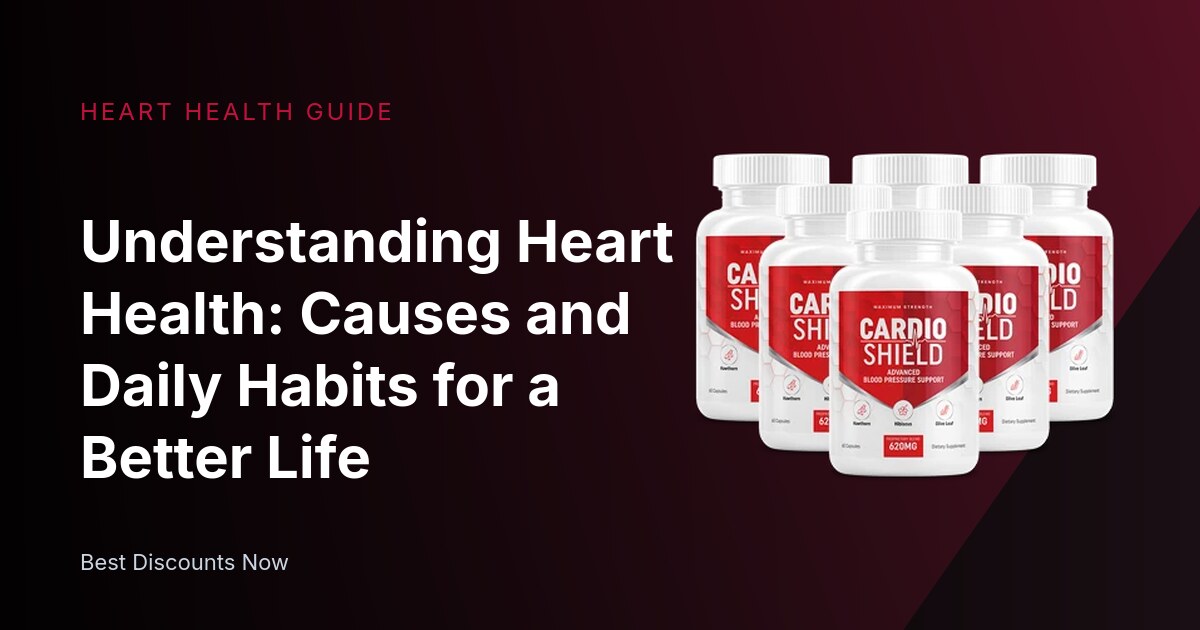
One such product that has garnered attention for its natural approach to supporting healthy blood pressure is Cardio Shield. It contains ingredients aimed at promoting cardiovascular health, but individuals need to consider that results can vary, and commitment to long-term use is often necessary for effectiveness.
Emphasizing a Holistic Approach
Improving heart health isn’t just about avoiding unhealthy habits; it’s about embracing a holistic lifestyle. This involves nourishing your body with healthy foods, remaining physically active, and prioritizing mental well-being through stress management techniques. Regular check-ups with healthcare professionals are also vital for monitoring heart health.
Making sustainable changes may take time and effort, but the rewards of enhanced heart health are invaluable for leading a fuller and longer life. Remember, self-care is an ongoing journey, and when in doubt about health decisions, consulting a healthcare provider is crucial.
Frequently Asked Questions
What are common risk factors for heart disease?
Common risk factors include high blood pressure, high cholesterol, diabetes, obesity, smoking, and insufficient physical activity.
How can diet affect heart health?
A diet low in processed foods and high in fruits, vegetables, whole grains, and lean proteins can significantly improve heart health.
When should I see a doctor about my heart health?
Seek medical advice if you experience symptoms like chest pain, palpitations, or consistently high blood pressure despite lifestyle changes.
What types of exercise are best for heart health?
Aerobic exercise, such as walking, running, cycling, and swimming, is particularly beneficial for improving cardiovascular health.
Are supplements helpful for heart health?
Some supplements may support heart health, but it’s essential to consult a healthcare provider before starting any new supplement regimen.
Keep Reading
How to Choose Effective Kidney Health Products Wisely
August 28, 2026
Blood Sugar Support: A Buyer’s Guide to Finding Quality
August 28, 2026
How to Choose the Right Digestive Health Supplement
August 28, 2026