How to Achieve Energy Independence for Your Home
August 28, 2026 · 3 min read · By the Best Discounts Now editorial team
Energy independence is about minimizing reliance on external power sources, reducing energy costs, and enhancing sustainability. Achieving this involves understanding energy consumption habits, exploring alternative energy solutions, and knowing when to seek professional advice.
Understanding Energy Consumption
Your household energy use can be attributed to various factors, including the size of your home, the efficiency of your appliances, and your daily habits. Identifying where you consume the most energy is the first step toward independence. Common high-energy items include heating and cooling systems, water heaters, and kitchen appliances.
Common Causes of High Energy Bills
- Inefficient Appliances: Old and poorly-maintained appliances often use more electricity than newer, energy-efficient models.
- Poor Insulation: Inadequate insulation can lead to heat loss during winter and heat gain during summer, forcing HVAC systems to work harder.
- Neglected Maintenance: Failing to maintain appliances can result in inefficient operation and increased energy consumption.
- Behavioral Factors: Simple habits, like leaving lights on or using high-energy devices at peak times, can significantly affect your electricity usage.
Daily Habits to Improve Energy Efficiency
Adopting better habits is crucial in managing energy expenses effectively. Here are some practical steps:
- Smart Usage of Appliances: Limit the use of high-energy appliances during peak times, and only run dishwashers or washing machines with full loads.
- Energy-Efficient Lighting: Replace incandescent bulbs with LED lights to save energy.
- Regular Maintenance: Schedule regular check-ups for your heating and cooling systems to ensure they're working efficiently.
- Temperature Management: Adjust your thermostat by a few degrees during summer and winter months to save on heating and cooling costs.
- Unplug Devices: Electronics draw power even when not in use. Unplug devices or use power strips to turn off multiple gadgets at once.
Exploring Alternative Energy Sources
Consider supplementing your energy usage with alternative solutions. Solar panels, wind turbines, and hydroelectric generators can provide a renewable source of energy. However, it's vital to assess your location and energy needs to determine the best option.
When to Consult a Professional
While many initiatives to achieve energy independence are straightforward, some situations warrant professional help. If you experience persistent high bills despite improving habits, have major appliances that frequently break down, or consider a significant energy installation (like solar panels or wind turbines), consulting an expert is a smart move. They can provide tailored solutions and perform energy audits to effectively assess your home.
Benefits of Self-Sufficiency
Striving for energy independence not only reduces costs but also contributes to environmental sustainability. Utilizing renewable energy sources diminishes your carbon footprint, impacting the larger global issue of climate change positively. Additionally, a self-sufficient household is inherently more resilient against energy supply fluctuations or price increases.
Alternative Solutions to Get Started
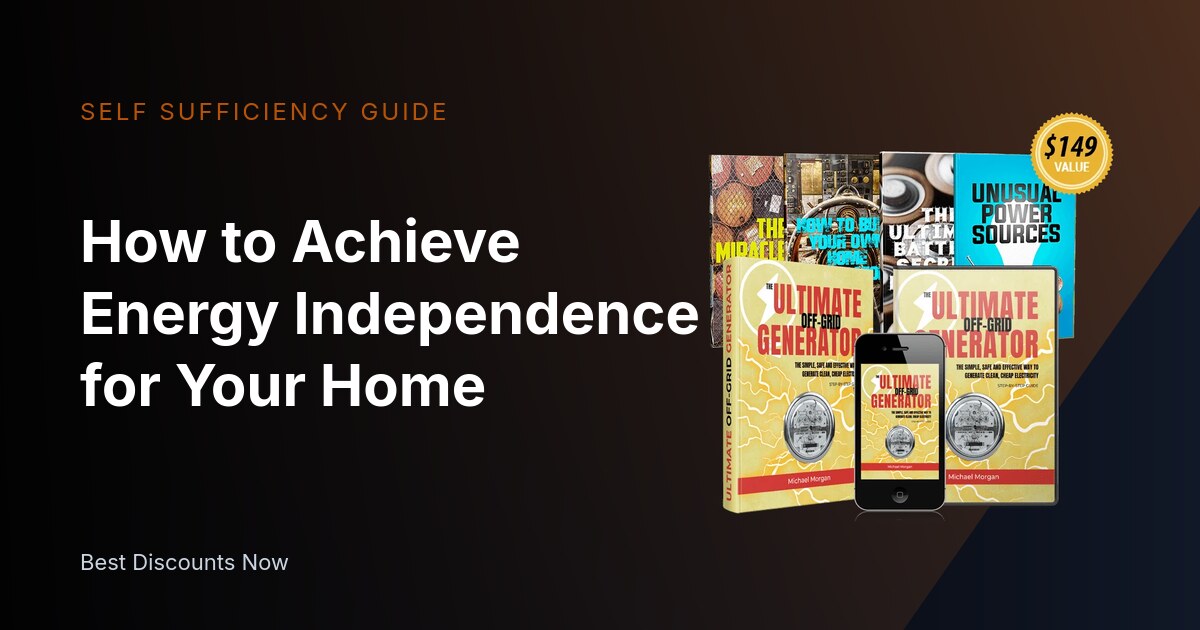
For those considering a more direct approach to generating their energy, devices are now available that aim to reduce reliance on the grid. Innovations like the Ultimate OFF-GRID Generator offer intriguing solutions for generating power on demand, potentially cutting down energy bills.
Frequently Asked Questions
What is energy independence?
Energy independence means reducing reliance on external sources of power, which can lead to lower energy costs and improved sustainability.
How can I lower my energy bills?
You can lower your energy bills by utilizing energy-efficient appliances, adopting smart usage habits, and maintaining regular check-ups on your HVAC systems.
When should I seek professional help with energy issues?
Consult a professional if you see consistently high bills despite improvements or if you're considering major energy installations.
What are some common sources of high energy use in homes?
Common sources include heating and cooling systems, old appliances, poor insulation, and significant behavioral factors like leaving lights on.
Can alternative energy sources help with energy costs?
Yes, alternative energy sources like solar and wind can provide renewable energy, leading to significant savings on energy costs over time.
Keep Reading
How to Choose Effective Kidney Health Products Wisely
August 28, 2026
Blood Sugar Support: A Buyer’s Guide to Finding Quality
August 28, 2026
How to Choose the Right Digestive Health Supplement
August 28, 2026