How to Choose Quality Self-Sufficiency Resources for Your Home
August 28, 2026 · 3 min read · By the Best Discounts Now editorial team
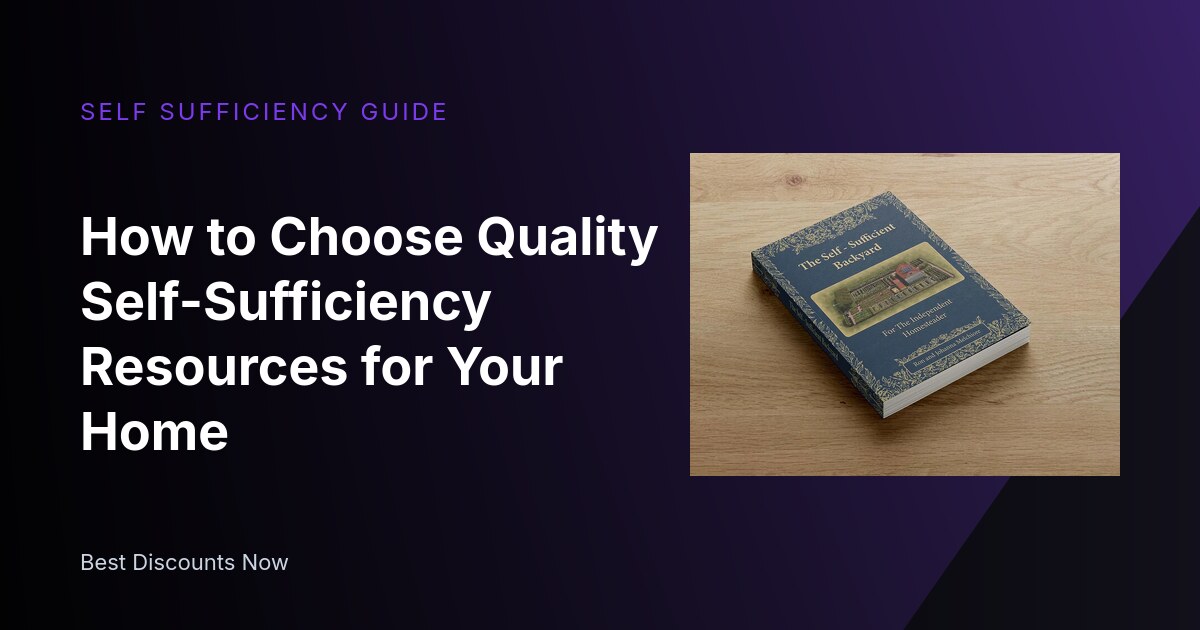
When embarking on the journey of self-sufficiency, knowing how to choose authentic resources is crucial. Quality guides and materials can significantly influence your success, while others may simply be gimmicks. Understanding key criteria can help you differentiate between valuable resources and those that fall short.
Understanding Formulation Transparency
Formulation transparency is vital when selecting self-sufficiency resources. This means the guide or product should clearly outline its content, including the methods used, the materials suggested, and any specific techniques employed. Resources that provide detailed explanations help you understand the rationale behind each project and empower you to make informed decisions.
Evaluating Dosages and Instructions
Dosing and instruction clarity is another key factor. It’s essential that any guidance includes precise measurements and step-by-step instructions. Vague or overly complicated directions may indicate a lack of seriousness about the project. Look for resources that provide clear, actionable instructions and realistic dosages for ingredients or materials.
Manufacturing Standards and Quality Assurance
Investigating manufacturing standards can help establish the credibility of a resource. For self-sufficiency guides, this may relate to the quality of materials suggested for projects and whether the guide adheres to recognized best practices. Resources that emphasize using sustainable and local materials often indicate a thoughtfulness in promoting self-sufficiency.
Assessing Guarantees and Return Policies
A credible self-sufficiency resource will often come with a guarantee or a reasonable return policy. This allows you to experiment with the materials or projects without the risk of complete loss. While no one can promise success, good resources should be willing to stand behind their content and approach.
Where It Is Sold Matters
The platform where a self-sufficiency resource is sold can offer clues about its credibility. Look for resources available through reputable retailers, bookstores, or educational platforms rather than obscure websites or questionable online marketplaces. Sellers with a solid reputation tend to provide products of higher quality.
Red Flags to Avoid
When exploring options, be on the lookout for red flags. Overly aggressive marketing tactics, vague claims about ease of use, and a lack of supporting evidence should raise concerns. Furthermore, testimonials that appear too good to be true, without any accompanying details, could also signal a gimmick rather than a helpful resource.
How to Compare Options Honestly
To compare self-sufficiency resources honestly, establish a checklist based on the criteria discussed. Rate options based on their formulation transparency, instruction clarity, manufacturing standards, guarantees, and the selling platform. This will help you objectively evaluate which resources may be more beneficial in your journey towards self-sufficiency.
For a comprehensive guide filled with insightful DIY projects aimed at transforming your home into a self-sufficient homestead, consider exploring The Self-Sufficient Backyard review. With this resource, homeowners can find over 100 projects that cater to various needs and skills.
Frequently Asked Questions
What is formulation transparency?
Formulation transparency refers to the clarity with which a resource outlines its content and methods. It involves detailing the materials and techniques used for projects.
How can I spot unreliable self-sufficiency resources?
Unreliable resources may exhibit signs like aggressive marketing, vague instructions, and lack of credible testimonials. Always be cautious of claims that seem to promise too much.
Why are manufacturing standards important in self-sufficiency guides?
Manufacturing standards ensure that recommended materials and practices adhere to established quality guidelines. This increases the likelihood of successful project outcomes.
What factors should I consider when comparing self-sufficiency guides?
Consider aspects such as formulation transparency, instruction clarity, manufacturing standards, guarantees, and the reputation of the seller to make an informed comparison.
Is it worth investing in self-sufficiency resources?
Investing in quality self-sufficiency resources can provide valuable education and empower you to successfully implement projects that enhance your independence.
Keep Reading
How to Choose Effective Kidney Health Products Wisely
August 28, 2026
Blood Sugar Support: A Buyer’s Guide to Finding Quality
August 28, 2026
How to Choose the Right Digestive Health Supplement
August 28, 2026