Choosing the Right Mental Wellness Supplement: Key Criteria
August 28, 2026 · 4 min read · By the Best Discounts Now editorial team
Navigating the mental wellness supplement market can be overwhelming. With numerous options available, it's crucial to understand the key factors that define a quality product versus a gimmick. By focusing on aspects like formulation transparency, dosages, and manufacturing standards, you can make informed choices that align with your cognitive health goals.
Understanding Formulation Transparency
Formulation transparency refers to how openly a brand shares the details about its ingredients and their respective quantities. A product that provides clear information about its formulation is generally more trustworthy. Brands that list all the components, including their sources and dosages, help consumers assess the adequacy and potential effectiveness of their products. Look for supplements that cite their ingredient sources, ideally from reputable suppliers, and provide scientific backing for their claims.
Why It Matters
When a company prioritizes formulation transparency, it shows its commitment to quality and customer education. This is important, particularly in the mental wellness space, where consumers need to understand what they are putting in their bodies. Lack of transparency can be a red flag, as it may indicate inferior quality or the use of harmful additives.
Evaluating Dosages
The dosage of each ingredient is a crucial factor that can separate effective products from ineffective ones. Always verify that the dosages are within recommended ranges, as either too little or too much can be ineffective or harmful. Supplements should contain scientifically supported dosages based on reputable research. For instance, a cognitive support supplement may boast various ingredients, but without appropriate dosages, those ingredients may be rendered ineffective.
How to Compare Products
When comparing different products, consider using a side-by-side comparison chart that outlines each ingredient, its dosage, and potential benefits. This method makes it significantly easier to assess how different options stack up against each other.
Checking Manufacturing Standards
Manufacturing standards are essential indicators of product quality. Look for brands that adhere to Good Manufacturing Practices (GMP). This certification ensures that the product meets specific quality and safety standards during its production process. You may also want to check if the supplement undergoes third-party testing, which can provide additional reassurance regarding quality and efficacy.
Why GMP Matters
Companies that follow GMP guidelines are less likely to produce contaminated or mislabeled products, which is vital for any supplement, especially those targeting mental wellness. Furthermore, third-party testing adds another layer of assurance by verifying that the product actually contains what it claims on the label and is free from harmful levels of contaminants.
Guarantee and Return Policies
A strong guarantee or return policy can indicate a company's confidence in its products. If a company is willing to stand behind its supplement and offer a satisfaction guarantee, this is often a good sign. On the other hand, brands that limit returns or offer no monetary-back policy may be less trustworthy and might suggest they lack faith in the quality of their product.
How to Assess Guarantees
Always read the fine print concerning a product's guarantee. A solid guarantee should allow for returns within a reasonable timeframe, typically 30 to 90 days. Understanding the terms of the guarantee can also expose hidden hurdles, such as restocking fees or conditions that require you to try the product for an extended period before you can return it.
Identifying Red Flags
Being aware of red flags can save you time and money. If a product makes bold claims without scientific support or offers overly aggressive marketing tactics, it should raise suspicion. Additionally, products with extremely low prices or those that offer unrealistic results might indicate poor-quality ingredients or manufacturing practices.
Examples of Red Flags
- Bogus Testimonials: Be cautious of products with only five-star reviews that might lack authenticity.
- Non-Transparent Labeling: Avoid products that don’t specify the ingredients or their dosages clearly.
- No 3rd Party Testing: Products that don't mention third-party testing should be approached cautiously, as this suggests a lack of independent verification.
Making Informed Comparisons
When you have several options to choose from, create a comparison chart. List each product's ingredients, dosages, manufacturing standards, guarantee, and any red flags you identified. This organized approach can help you clarify which supplement aligns best with your mental wellness goals.
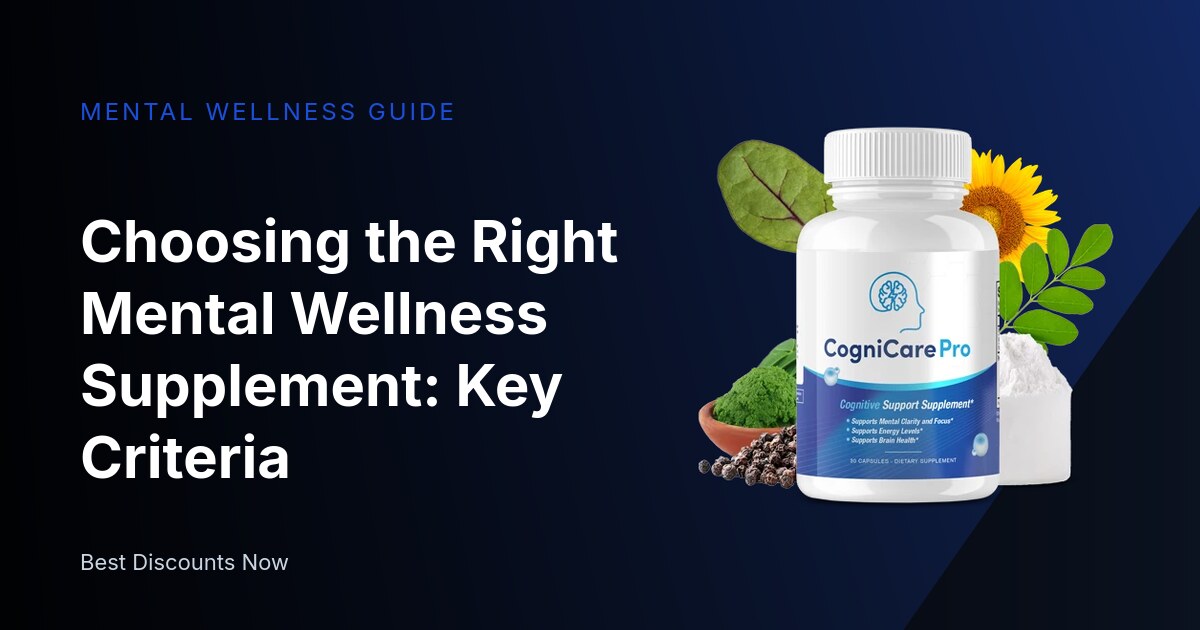
As an example of a product that meets many of these criteria, CogniCare Pro review discusses a blend of natural ingredients aimed at enhancing cognitive functions.
Frequently Asked Questions
What should I look for in a mental wellness supplement?
Key factors include formulation transparency, proper dosages, and good manufacturing standards.
How do I assess the quality of a supplement?
Check for transparency in ingredients, dosage information, and whether it adheres to Good Manufacturing Practices.
What are common red flags in supplements?
Red flags include vague claims, lack of transparency, and the absence of third-party testing.
Why is a guarantee important?
A solid guarantee indicates that the company stands behind its product's quality and efficacy.
How can I compare different supplement offerings?
Create a comparison chart that lists ingredients, dosages, and any identified red flags for each product.
Keep Reading
How to Choose Effective Kidney Health Products Wisely
August 28, 2026
Blood Sugar Support: A Buyer’s Guide to Finding Quality
August 28, 2026
How to Choose the Right Digestive Health Supplement
August 28, 2026