How to Choose the Right Self-Sufficiency Food Resources
August 28, 2026 · 3 min read · By the Best Discounts Now editorial team
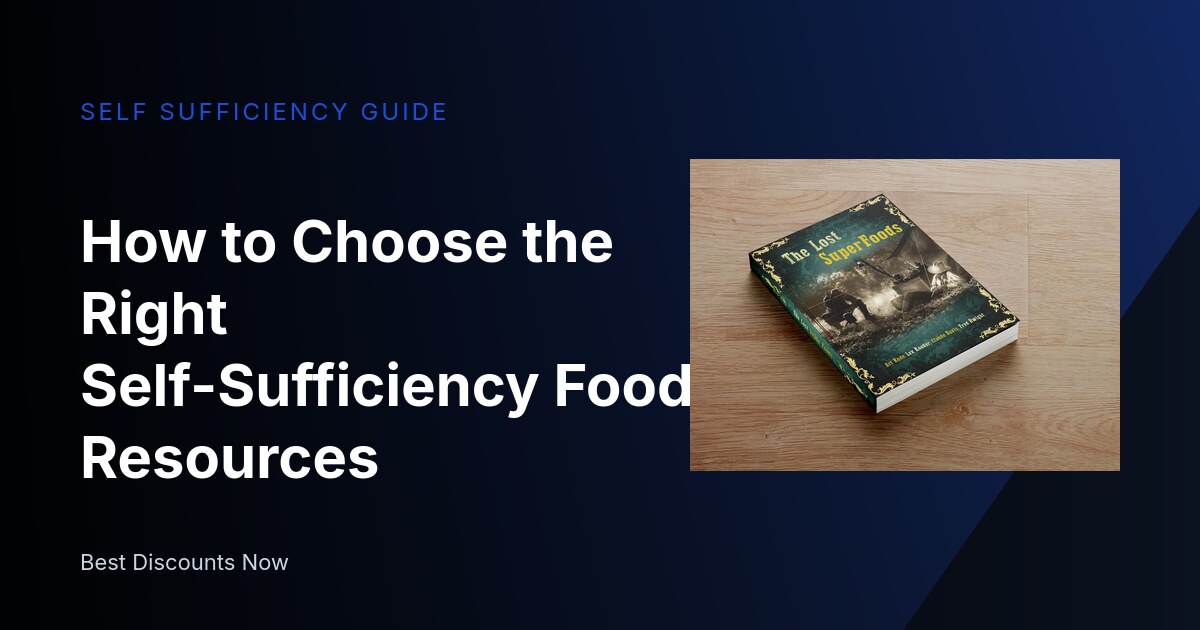
When it comes to self-sufficiency, selecting reliable food resources is essential for long-term sustainability. Understanding the criteria to differentiate serious products from mere gimmicks can save time and money, ensuring you make informed choices about your food supply.
Key Criteria for Evaluating Food Resources
To properly assess self-sufficiency food products, there are several key criteria you should always consider. Getting familiar with these elements will help you identify what is genuine and what is not in the market.
- Formulation Transparency: Genuine products offer clear ingredient lists and detailed information about the formulations used. When evaluating a product, check for transparency in how the food is processed and whether any additives are present.
- Dosages and Serving Sizes: A reliable food resource will provide appropriate serving sizes and dosages. Ensure that the product specifies how much you need to consume for nutritional benefits and that it aligns with your dietary needs.
- Manufacturing Standards: Investigate where and how the food is made. Certifications like organic, non-GMO, or third-party testing can indicate a higher quality product. This also involves understanding the safety protocols in place during production.
- Money-Back Guarantee: A trustworthy supplier often provides a guarantee or refund policy. This assurance demonstrates confidence in their product and allows consumers to try it risk-free.
- Sales Channels: Be cautious of products sold through dubious channels. Stick to reputable online shops or local businesses with good reputations and customer feedback.
Red Flags to Avoid
While researching your options, certain red flags can help you identify less reputable products. Be alert for these warning signs:
- Vague Ingredient Lists: If the product lacks clear or specific information about its ingredients, it is a significant red flag. Transparency is vital in understanding what you are consuming.
- Unsubstantiated Claims: Be wary of exaggerated health claims or promises of extraordinary outcomes without supporting evidence. Legitimate products will present realistic expectations based on research or historical practices.
- Lack of Contact Information: Quality companies should provide clear contact information for customer service inquiries. If they are hard to reach or absent, it might be a scam.
- No Reviews or Testimonials: A lack of feedback from other consumers may indicate that the product is untested or less reliable. Look for detailed customer experiences that share insights on the product's quality and effectiveness.
Honest Comparison of Options
Once you have a list of potential self-sufficiency food products, here’s how to compare them effectively:
- Create a Comparison Chart: Compile your findings in a chart format. List each product, its specifications, prices, and any relevant notes. This visual representation can simplify the decision-making process.
- Read Multiple Reviews: Look for reviews from various sources, including expert opinions and regular customers. Analyzing diverse perspectives can yield a more rounded view of the product’s strengths and weaknesses.
- Consider Your Needs: Reflect on your personal situation and what you are looking for in terms of food storage. Your dietary restrictions, preferences, and available storage space should guide your choice.
- Trial First: If possible, purchase smaller quantities first to test the products. This approach allows you to check for taste, quality, and suitability before committing to larger stockpiles.
Final Thoughts on Self-Sufficiency Resources
In summary, equipping yourself with the right self-sufficiency food resources can offer peace of mind during uncertain times. It is vital to maintain diligence in assessing products based on clear criteria while being watchful for any unsavory practices.
If you’re looking for a comprehensive guide, consider checking out The Lost Super Foods review, which offers insights into storing various superfoods long-term and includes practical tips for creating a sustainable food stockpile.
Frequently Asked Questions
What is self-sufficiency food resources?
Self-sufficiency food resources refer to food products that allow individuals to sustain themselves without reliance on external sources. They often involve non-perishable options that can be stored for long periods.
How do I ensure the quality of food products?
To ensure the quality of food products, look for transparency in formulations, verified manufacturing standards, and consumer feedback. Establishing criteria will help guide your evaluation.
Why is formulation transparency important?
Formulation transparency is crucial as it provides consumers with knowledge about what they are consuming, allowing them to avoid potentially harmful ingredients or allergens.
How can I evaluate customer reviews?
Evaluating customer reviews involves reading feedback from multiple sources, considering both positive and negative aspects, and identifying consistent themes regarding the product's quality and effectiveness.
What should I do if I encounter a red flag?
If you encounter a red flag, like vague ingredient lists or exaggerated claims, it’s wise to move on and seek alternative products that demonstrate reliability and transparency.
Keep Reading
How to Choose Effective Kidney Health Products Wisely
August 28, 2026
Blood Sugar Support: A Buyer’s Guide to Finding Quality
August 28, 2026
How to Choose the Right Digestive Health Supplement
August 28, 2026